El Blog
Notas de contabilidad y planificación fiscal para freelancers y negocios de servicios.
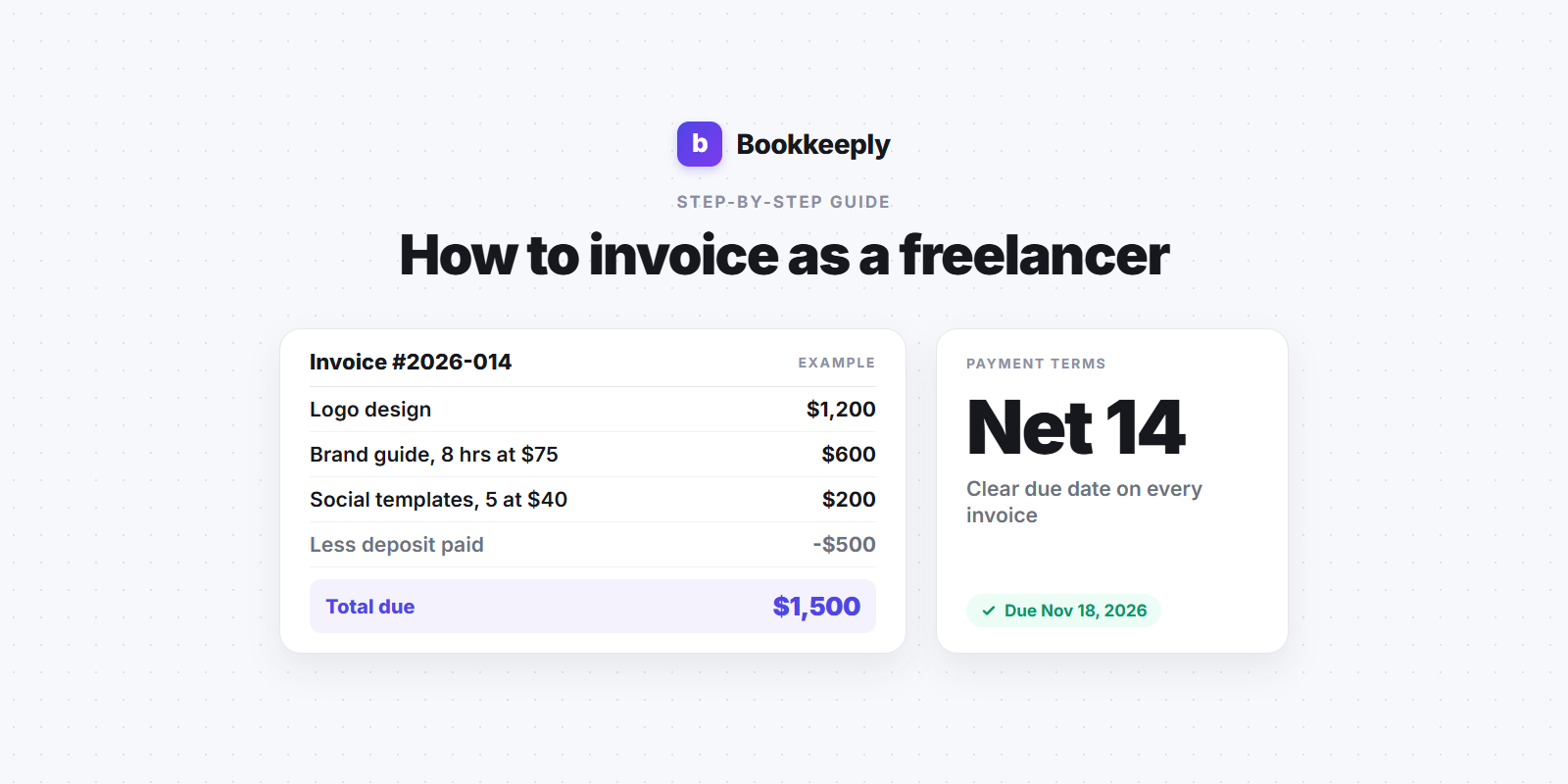
How to Invoice as a Freelancer (Step-by-Step + Example)
How to invoice as a freelancer: what to include, how to number invoices, Net 14 vs Net 30 terms, a worked example, and what to do when a client pays late.
Leer más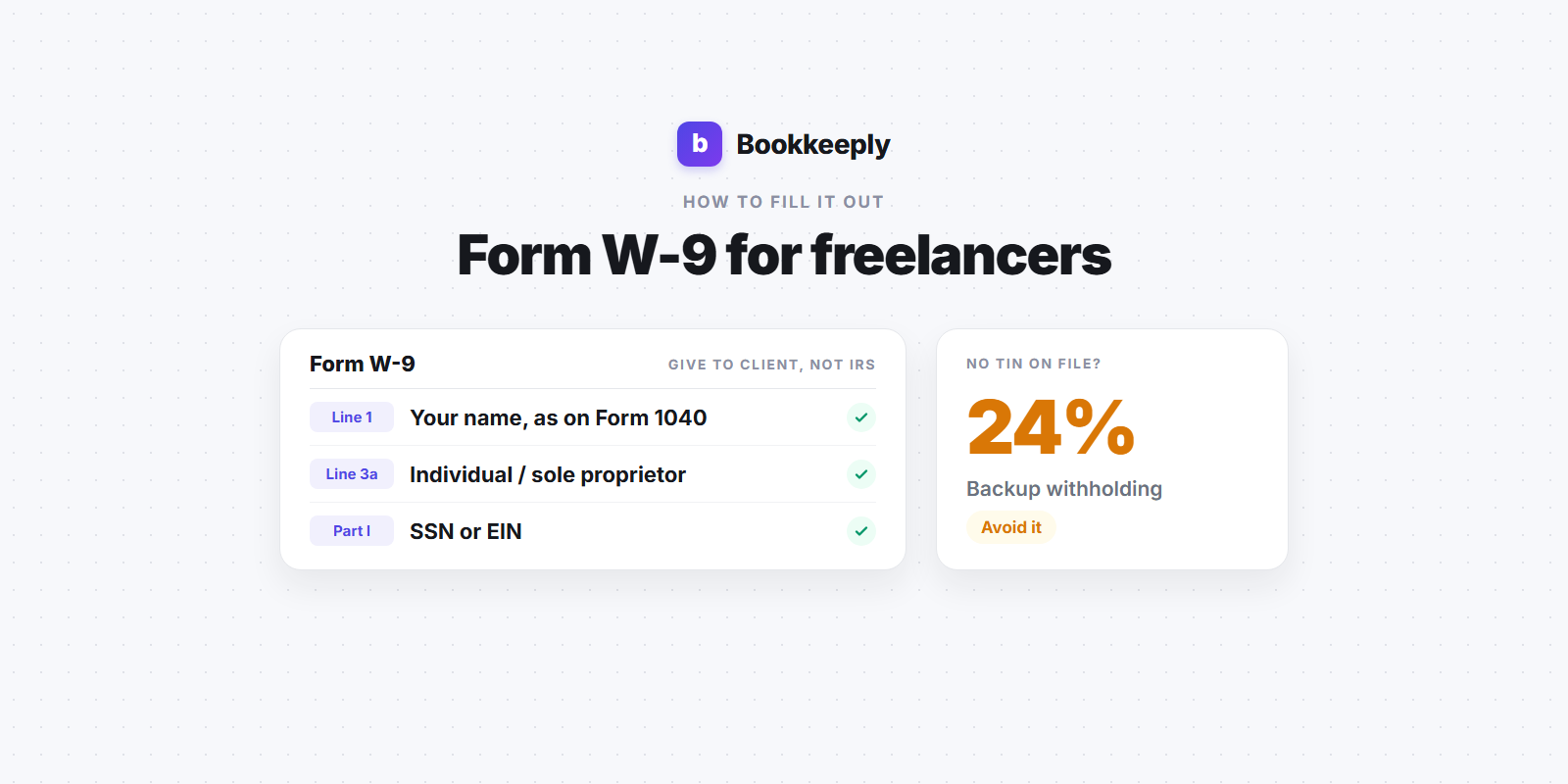
W-9 Form for Freelancers: How to Fill It Out (2026)
Form W-9 for freelancers, line by line: what goes on each line, SSN vs EIN, how to send it safely, and how freelancers avoid 24% backup withholding.
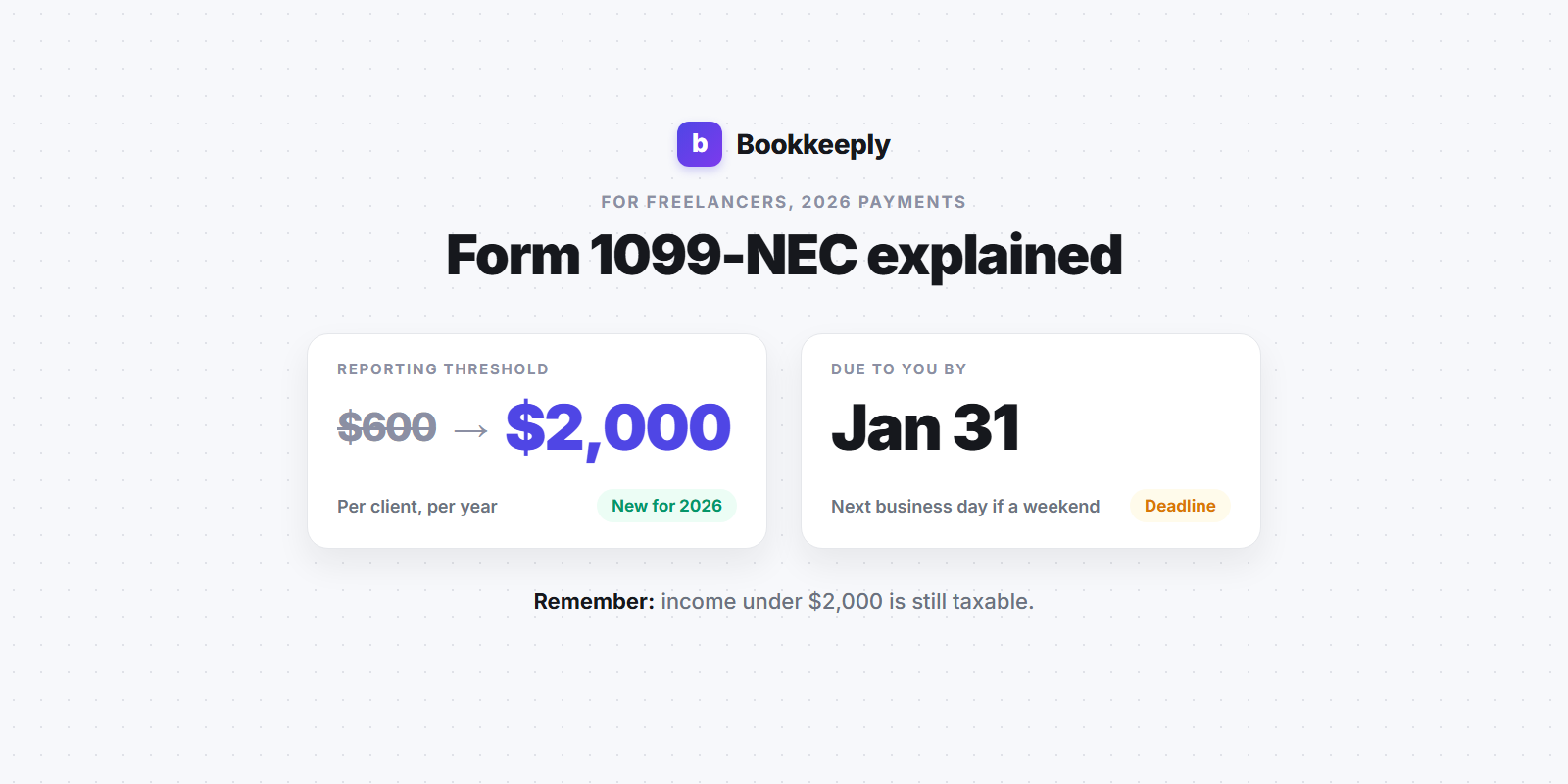
Form 1099-NEC Explained: A Freelancer's Guide for 2026
Form 1099-NEC explained for freelancers: the new $2,000 threshold for 2026 payments, the January 31 deadline, and what to do if a form is wrong.
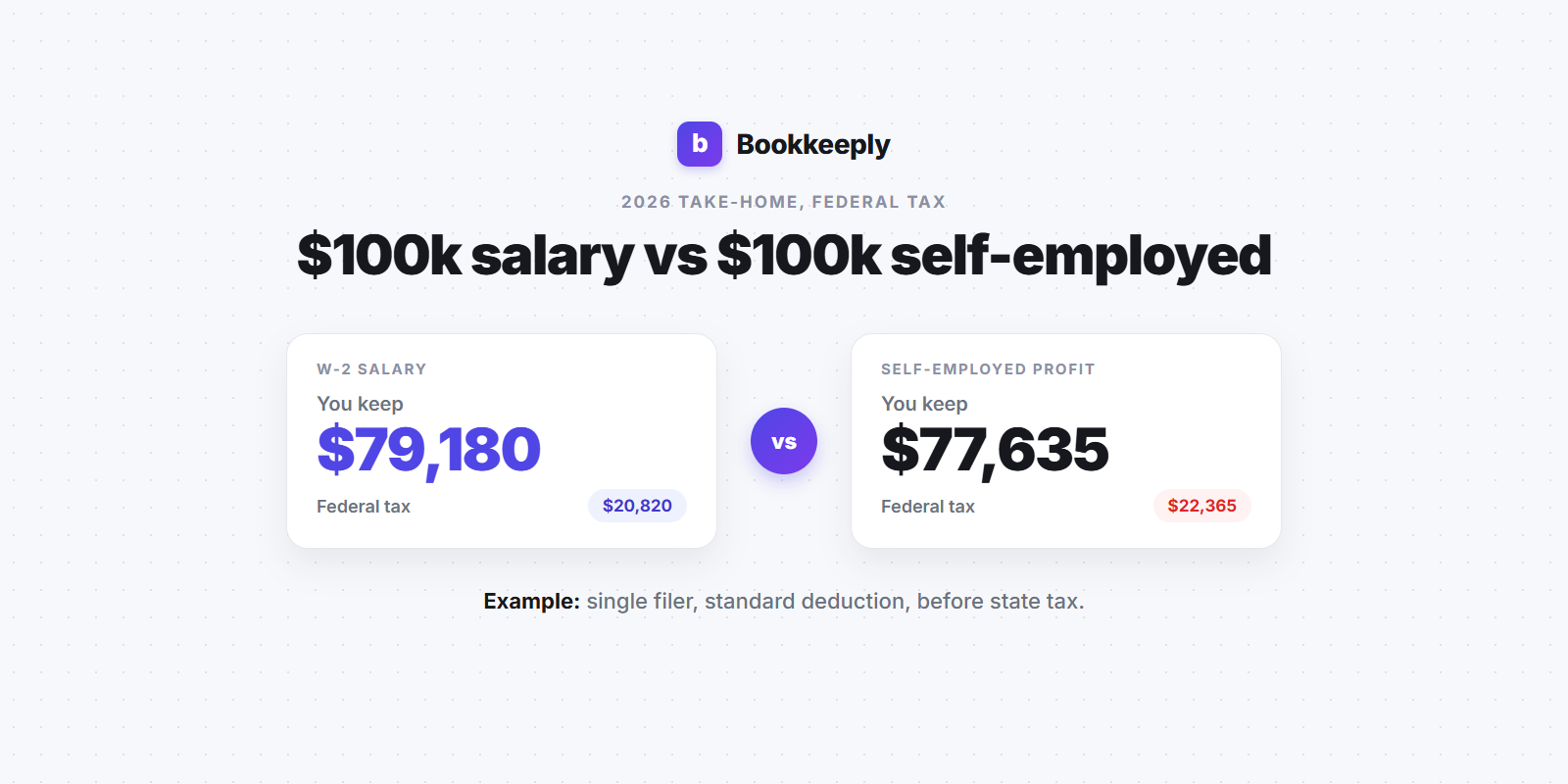
$100k Salary vs $100k Self-Employed: 2026 Take-Home
$100k salary vs $100k self-employed in 2026: a side-by-side federal tax example, why the gap is small, and what benefits and cash flow change.
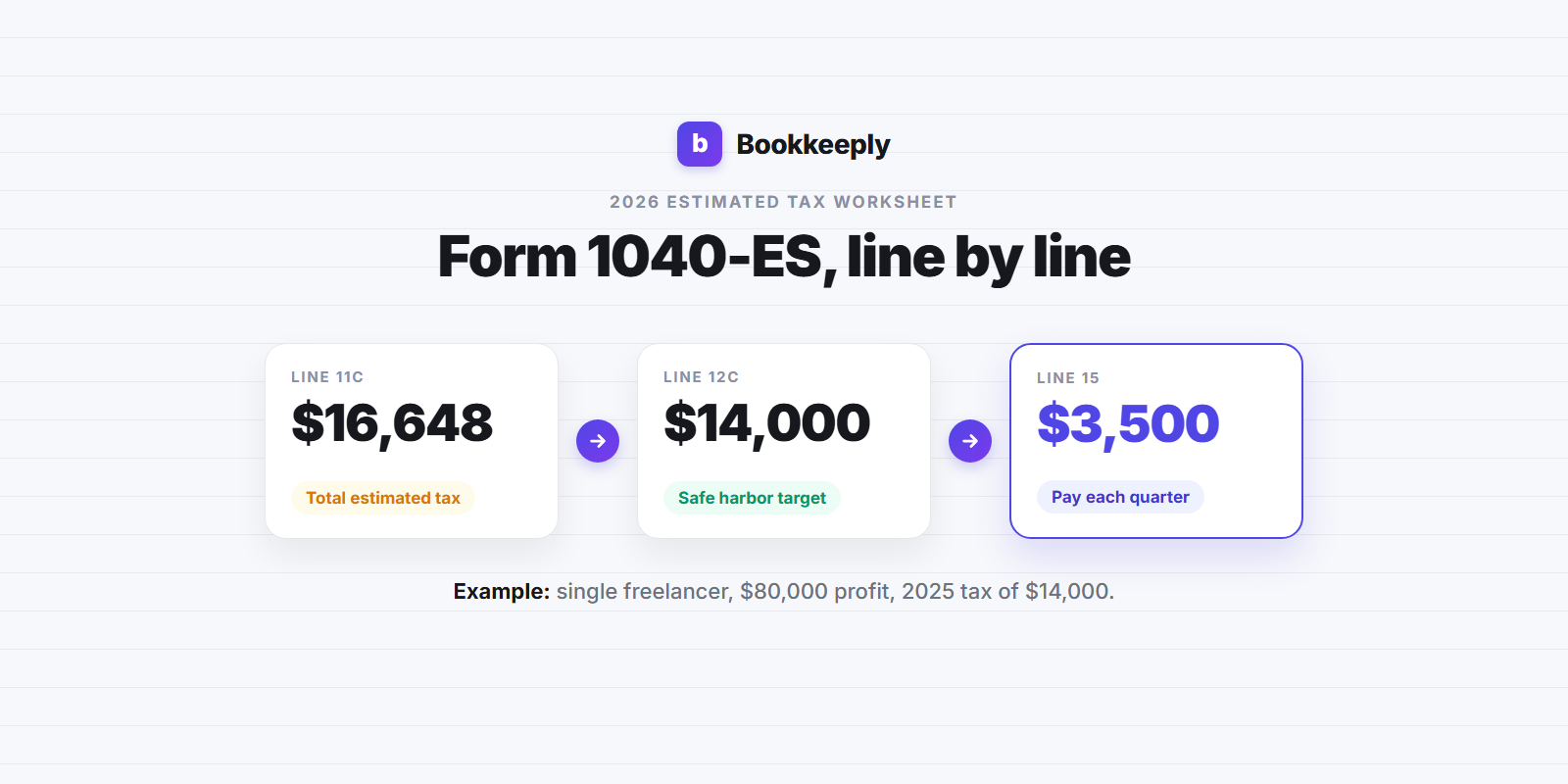
Form 1040-ES Explained: Line-by-Line Guide With Example
Form 1040-ES explained line by line: how the 2026 estimated tax worksheet works, the safe harbor lines and a worked example for one freelancer.
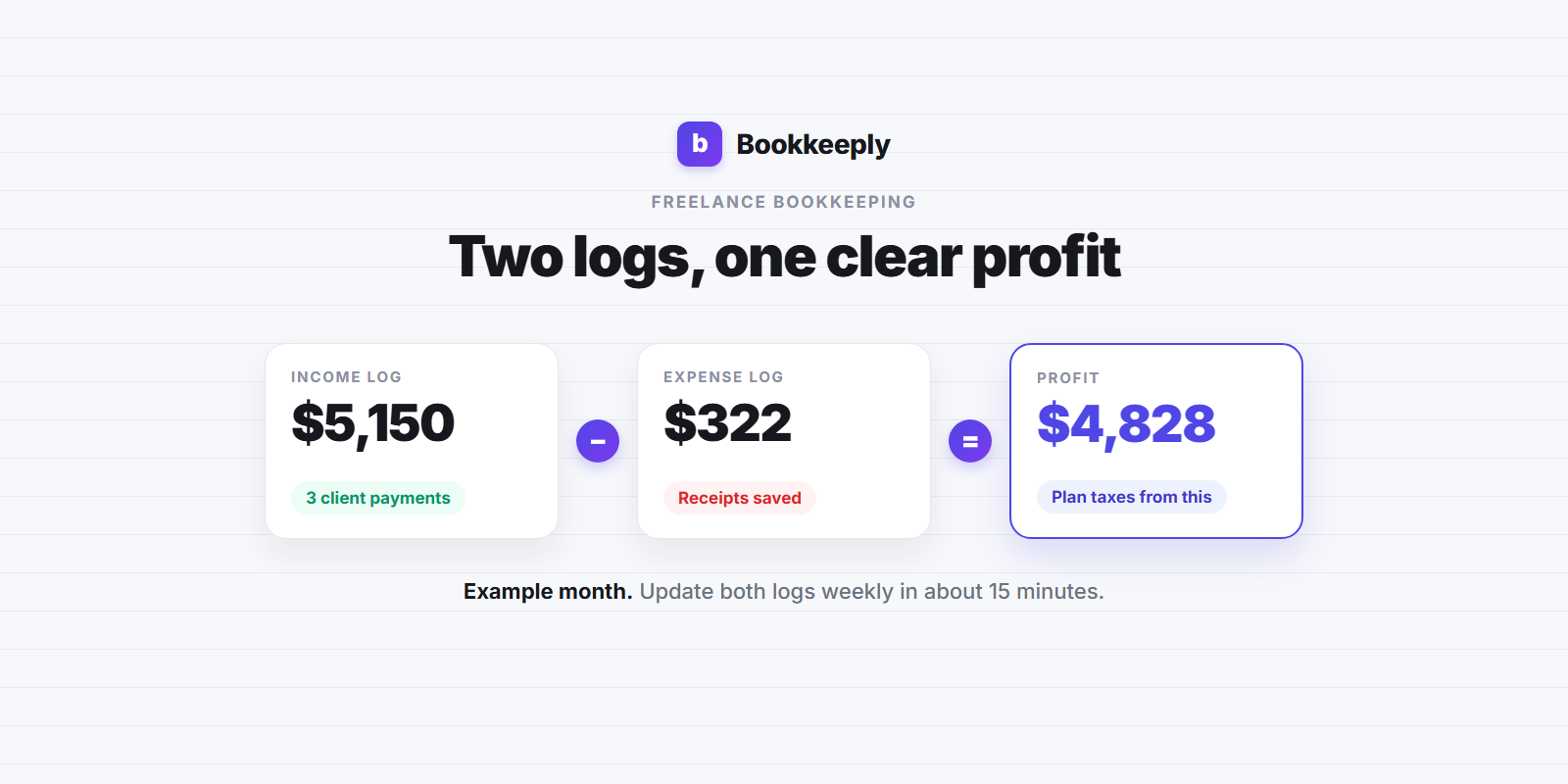
How to Track Freelance Income and Expenses (Simple System)
How to track freelance income and expenses with a simple system: an income log, an expense log, a weekly review and a worked example month.
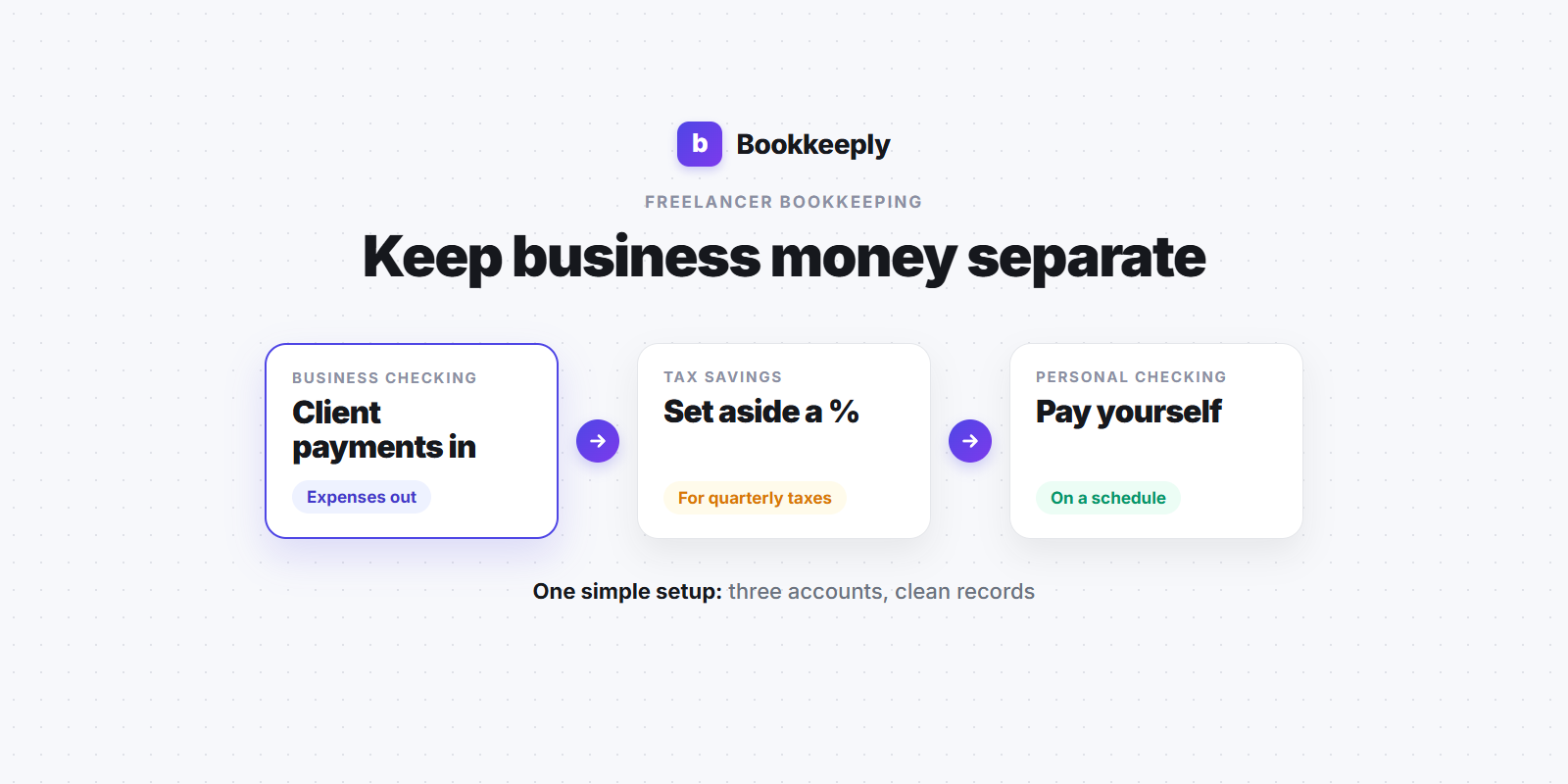
Business Bank Account for Freelancers: Do You Need One?
Do freelancers need a business bank account? What the IRS recommends, what changes with an LLC, what to look for, and a simple three-account setup.
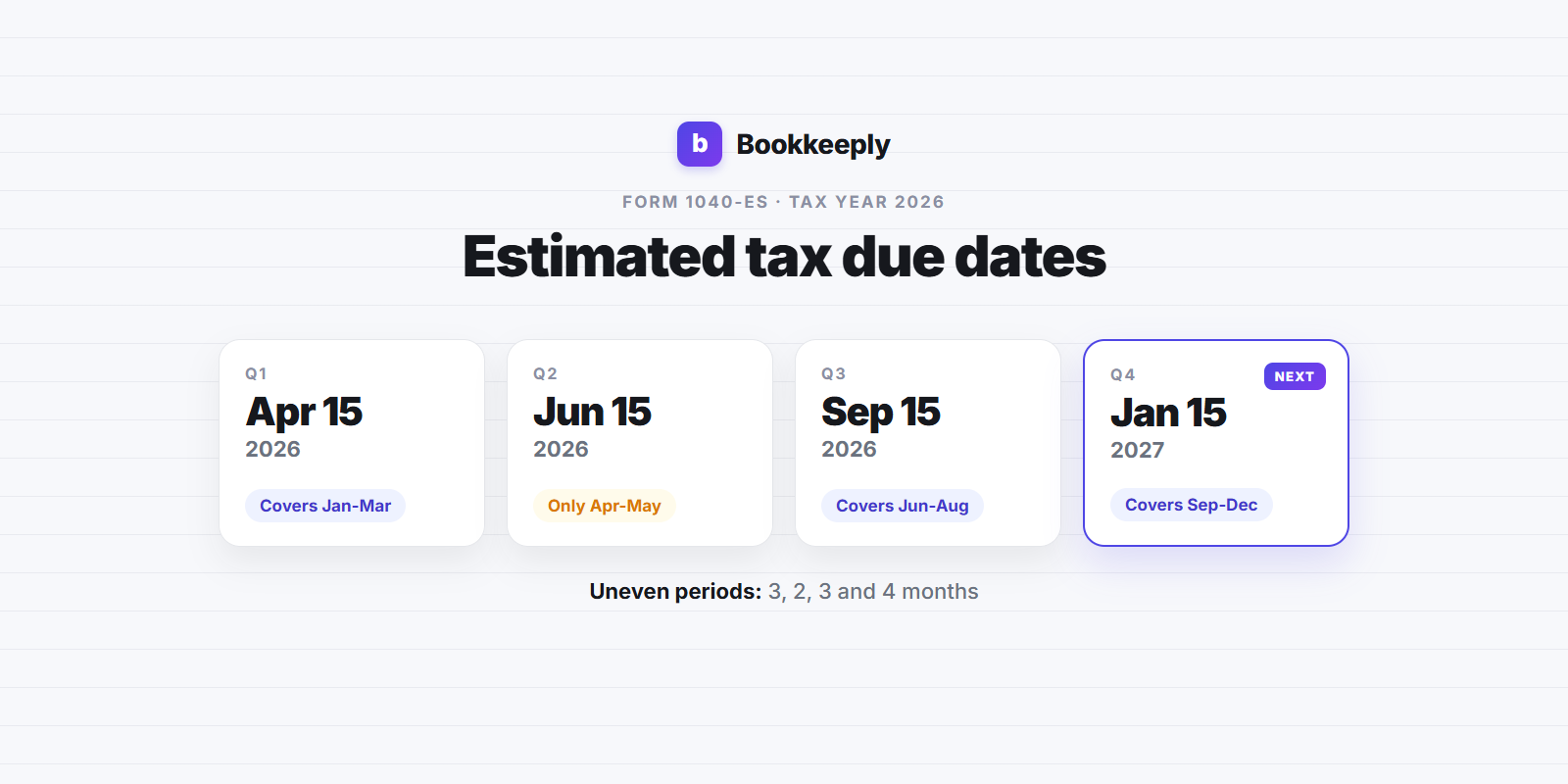
Estimated Tax Due Dates 2026-2027: All 4 Deadlines
Estimated tax due dates for 2026: April 15, June 15, Sept 15 and Jan 15, 2027. See what each payment covers, the 2027 calendar and the key exceptions.
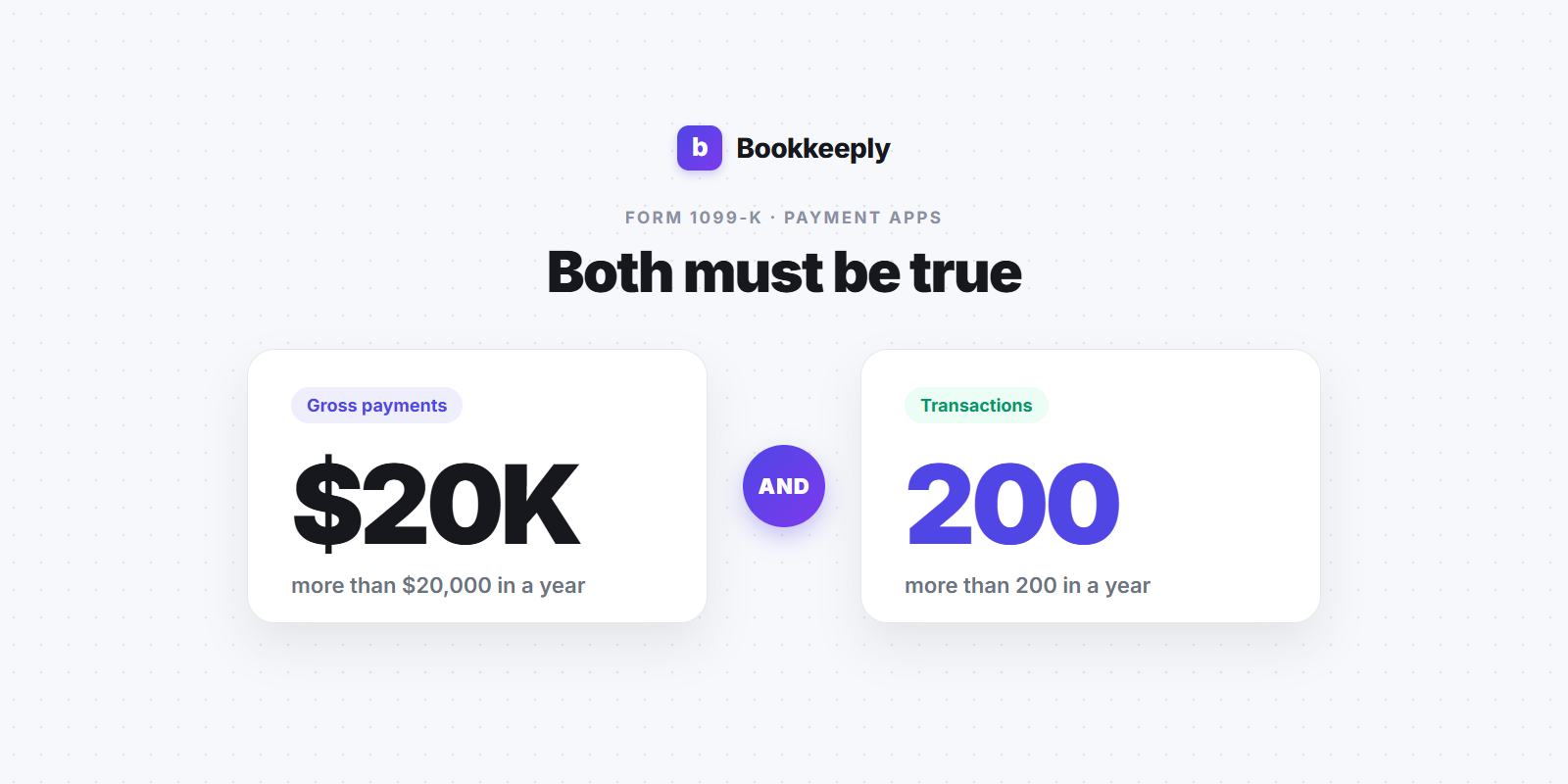
Form 1099-K for Freelancers: The $20,000 Threshold
Form 1099-K explained for freelancers: the $20,000 and 200-transaction rule for PayPal and Venmo, card payments, and how to report it without overpaying.
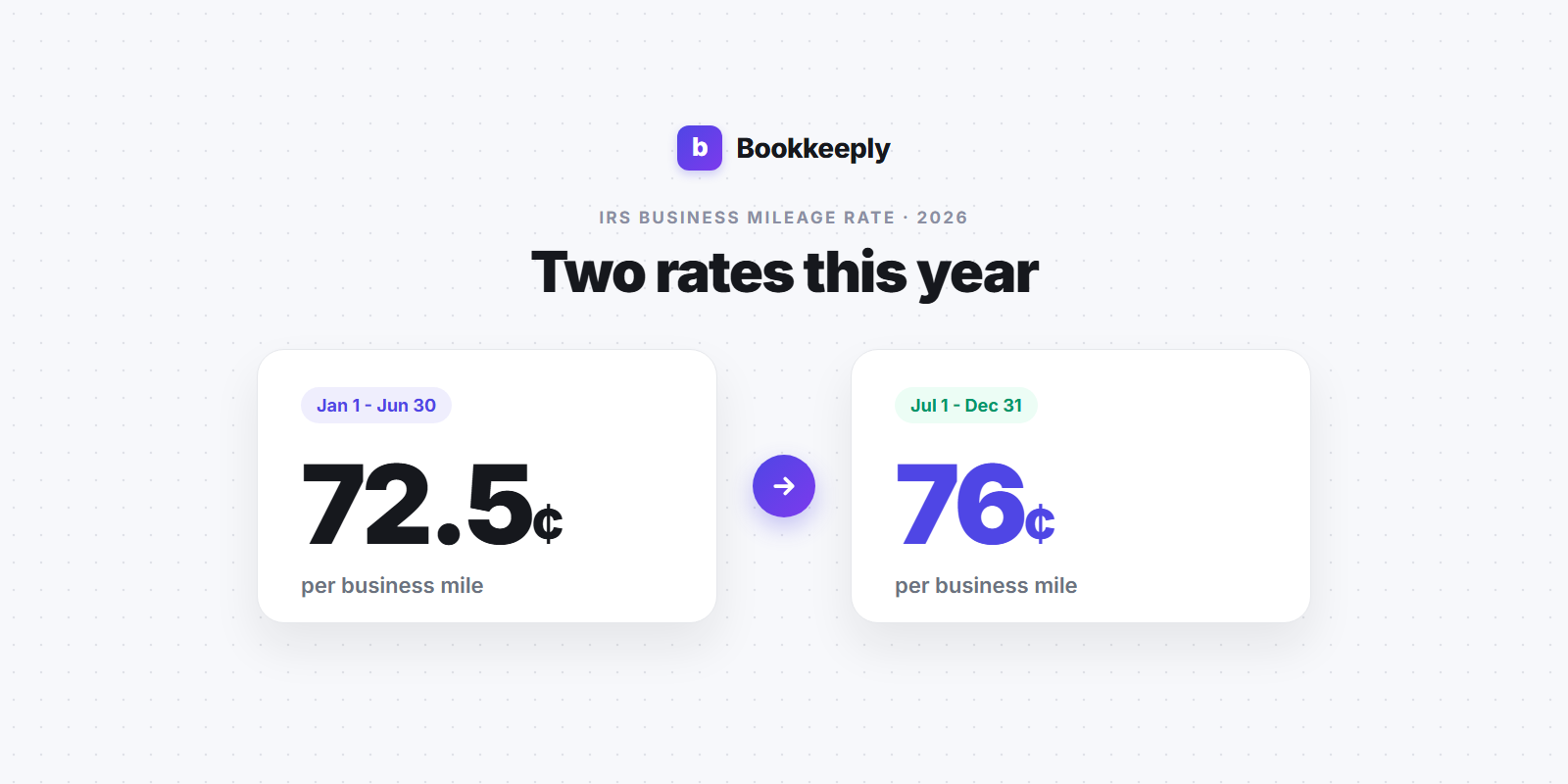
Mileage Deduction for Freelancers: 2026 Rates + Example
How the self-employed mileage deduction works in 2026: the two IRS rates, standard vs actual expenses, which trips count, and a worked example.
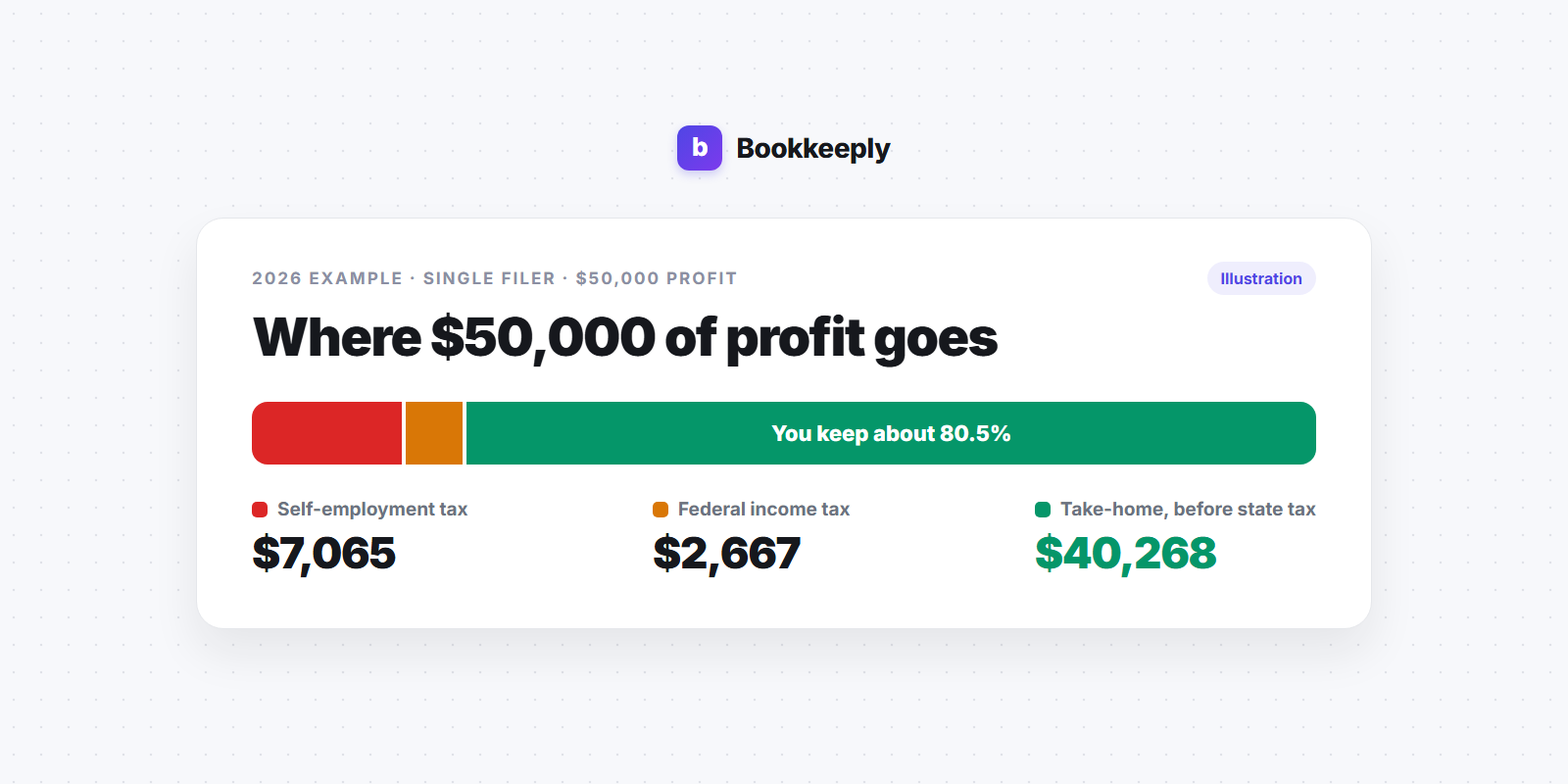
$50,000 Self-Employed: Take-Home Pay After Taxes (2026)
Earn $50,000 self-employed? See your 2026 take-home pay after self-employment tax and federal income tax, with a step-by-step worked example.
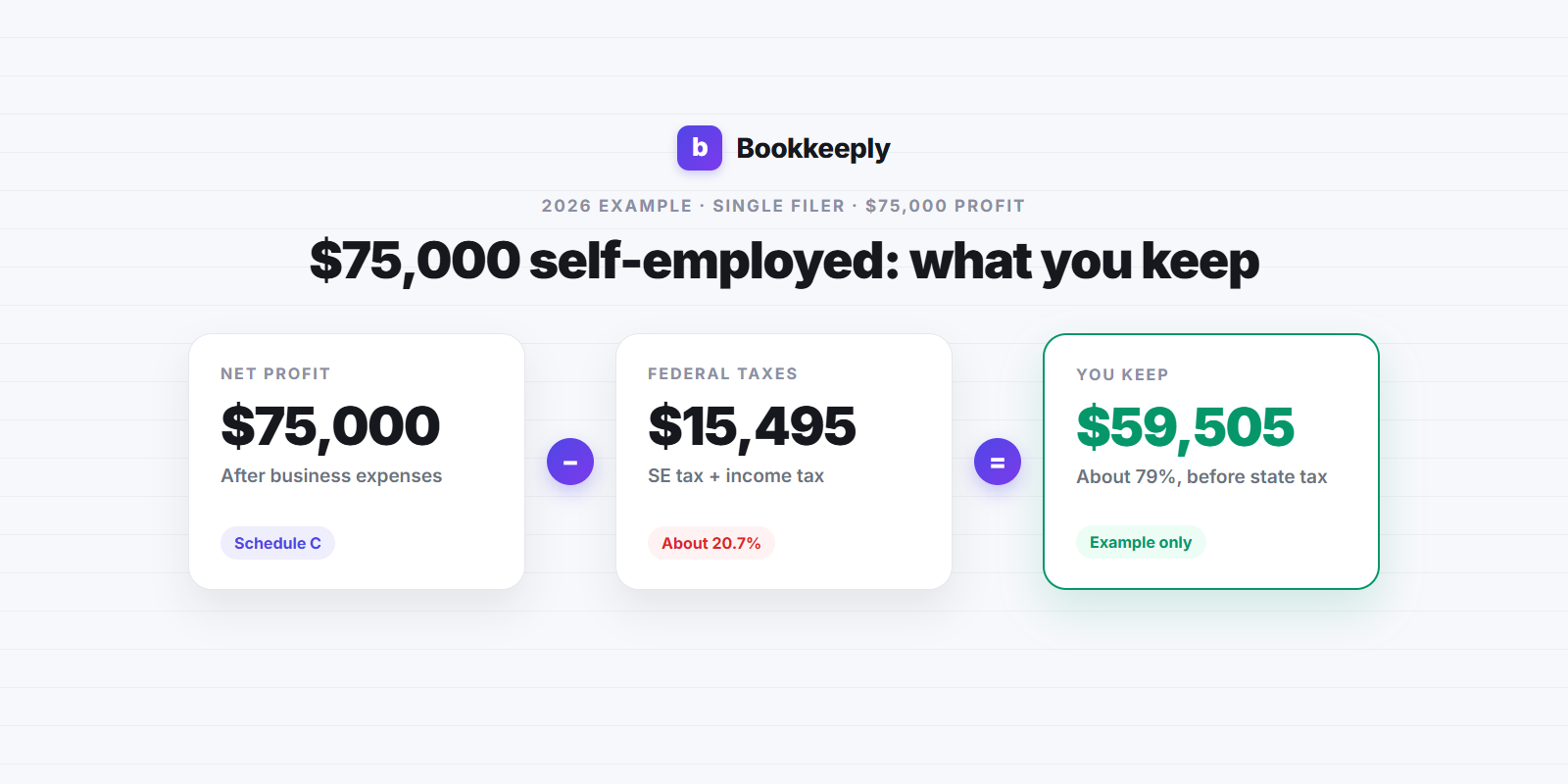
$75,000 Self-Employed: How Much Do You Keep After Taxes?
Earn $75,000 self-employed? See how much you keep after self-employment tax and federal income tax in 2026, with a step-by-step worked example.
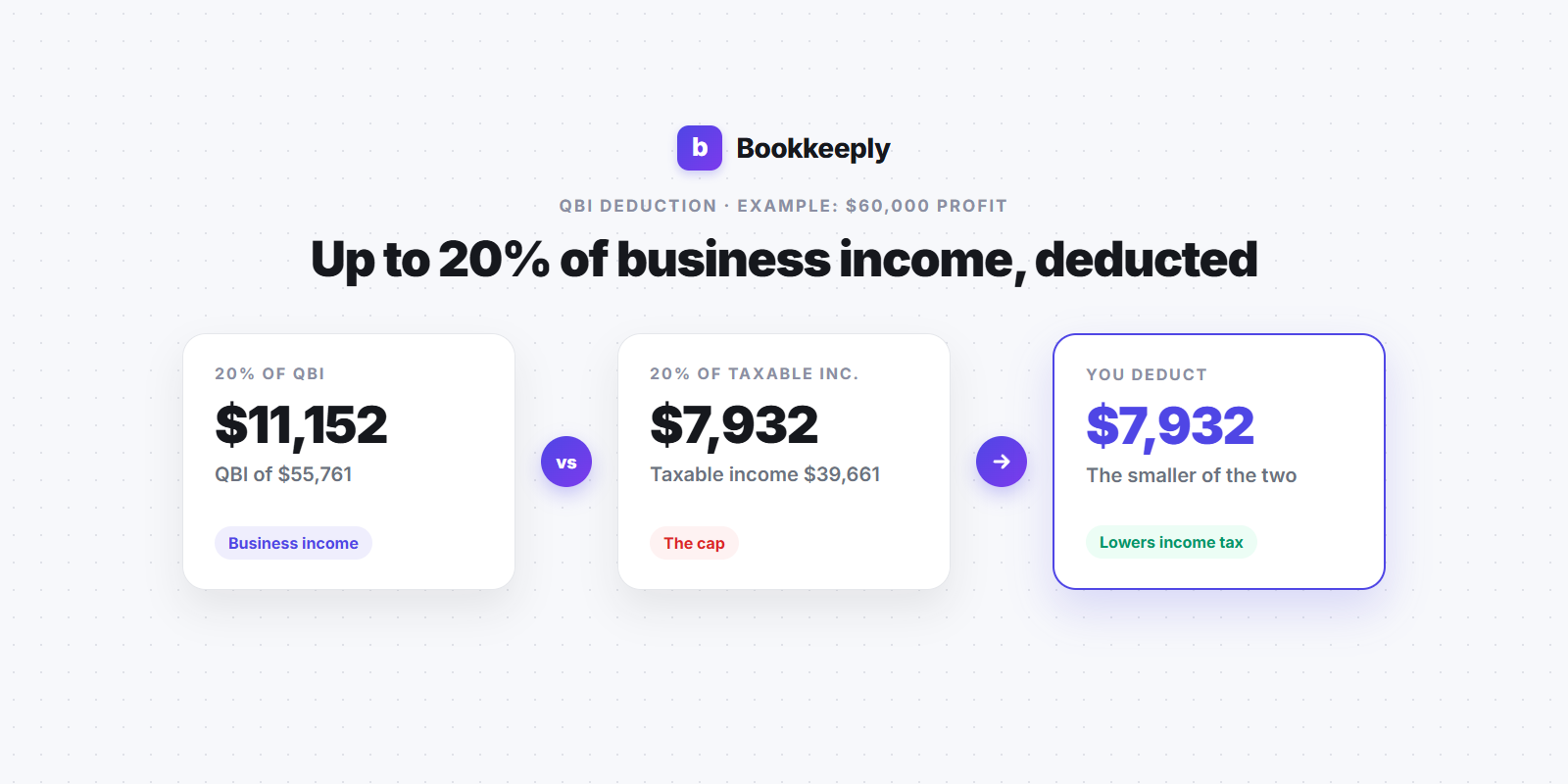
QBI Deduction for Freelancers: How It Works (With Example)
How the QBI deduction works for freelancers: what counts as qualified business income, the taxable income cap, 2026 thresholds, and two worked examples.
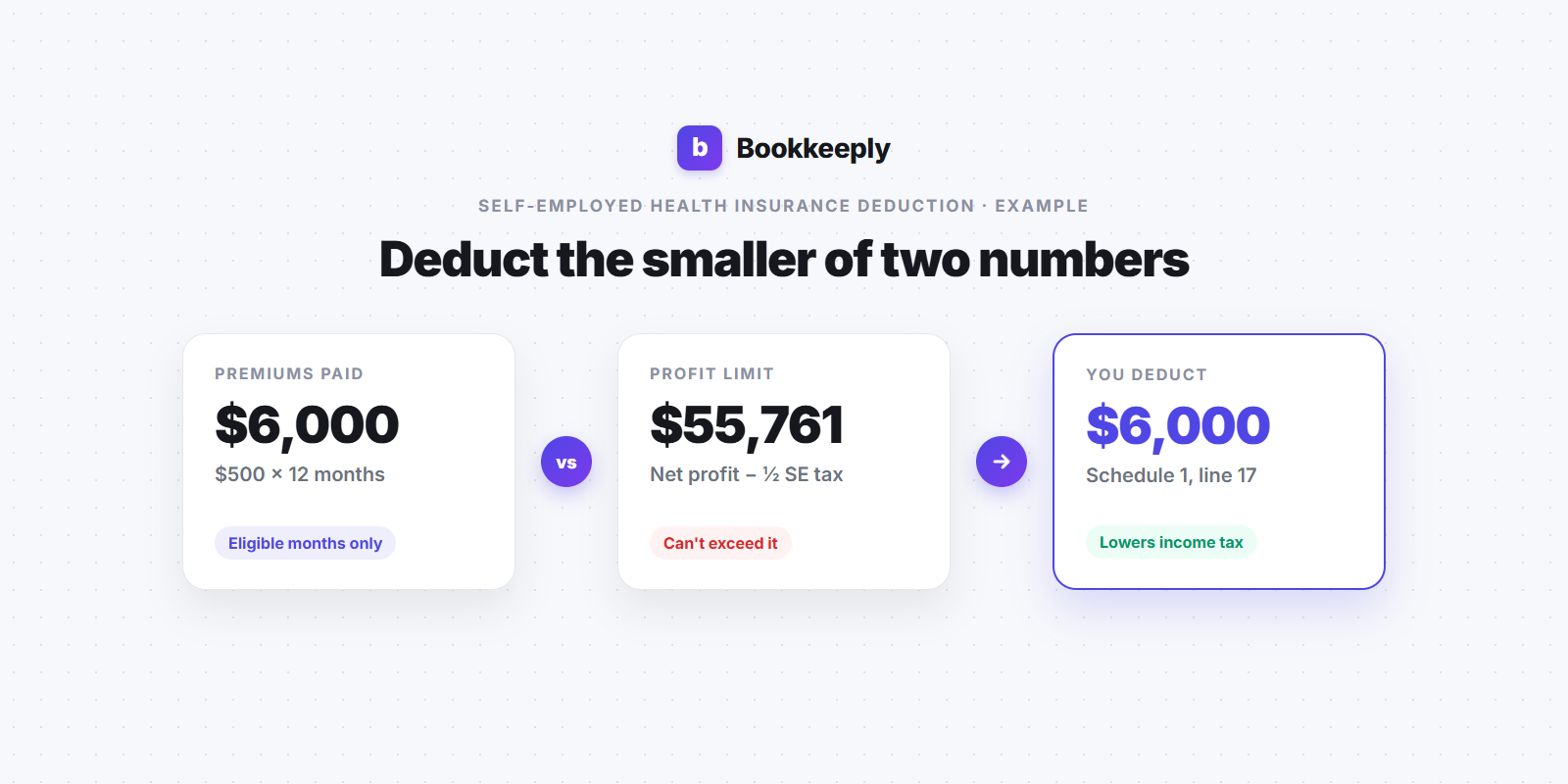
Self-Employed Health Insurance Deduction (With Example)
How the self-employed health insurance deduction works: who qualifies, the employer plan rule, the profit limit, Form 7206, and a worked example.
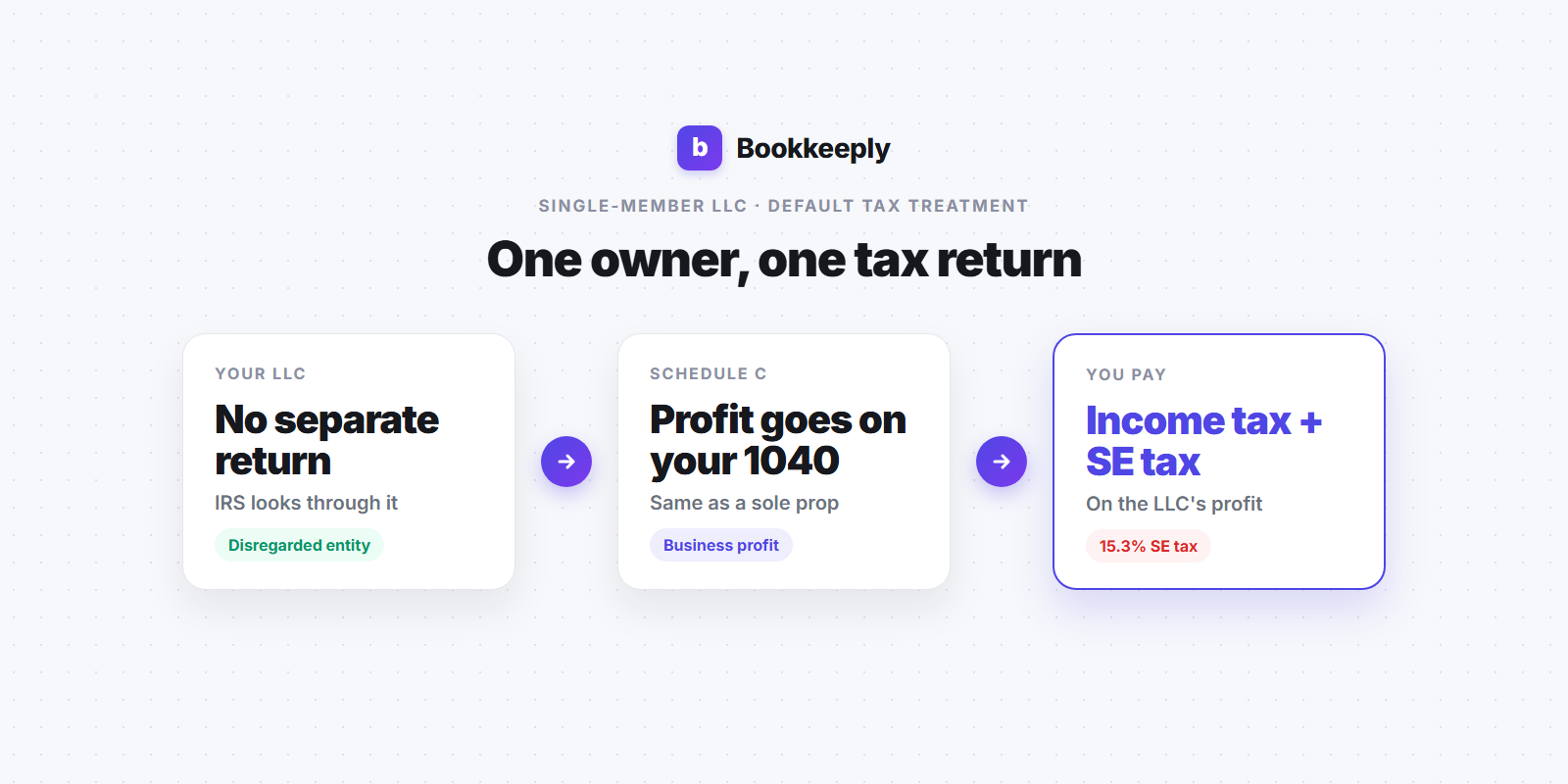
Single-Member LLC Taxes: How Your LLC Is Taxed
Single-member LLC taxes explained: how the IRS taxes your LLC by default, which forms you file, self-employment tax, state fees, and the S-corp option.
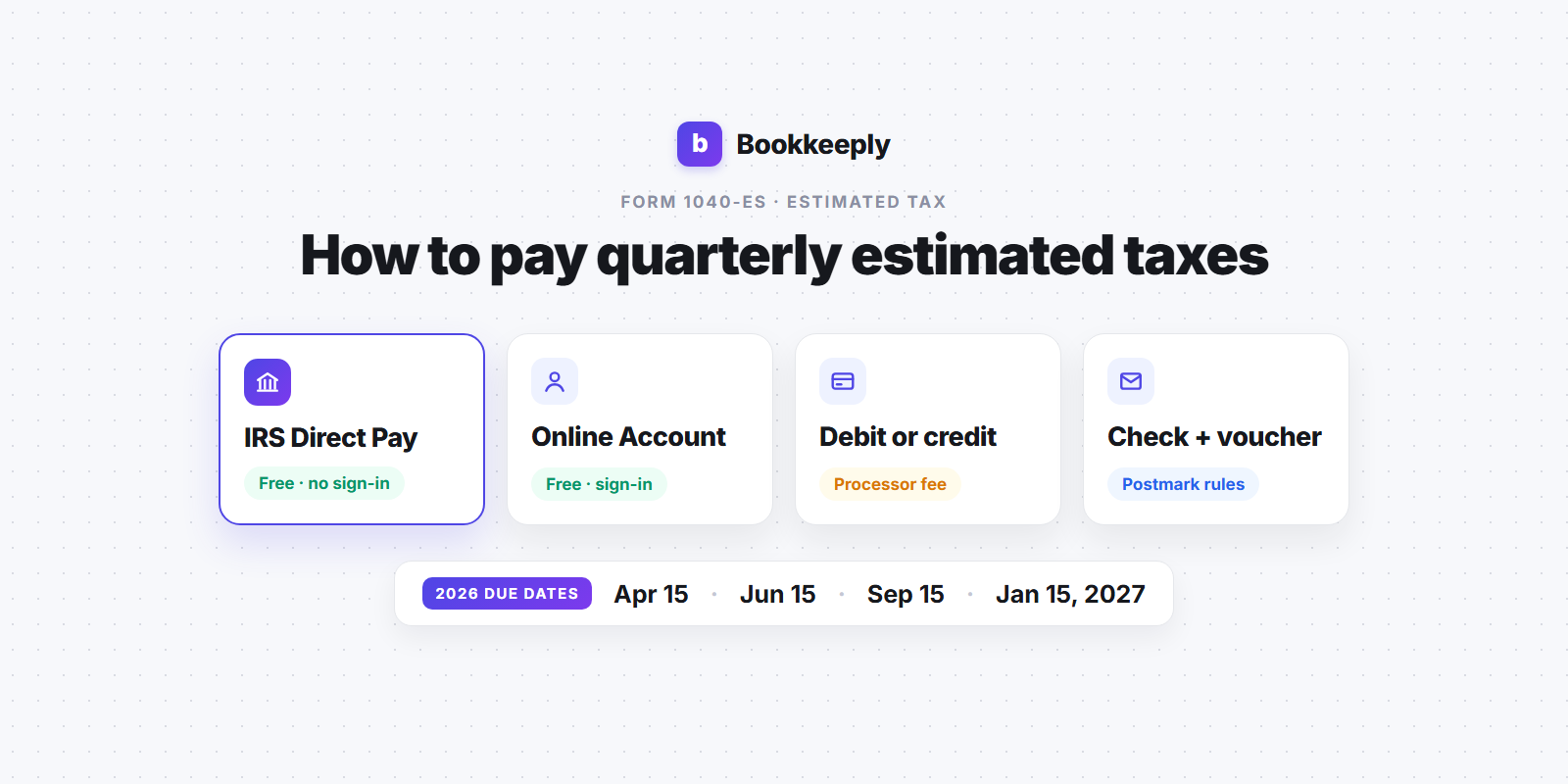
How to Pay Quarterly Estimated Taxes (Step by Step)
How to pay quarterly estimated taxes step by step: IRS Direct Pay, your Online Account, card, or check with a 1040-ES voucher, plus the 2026 due dates.
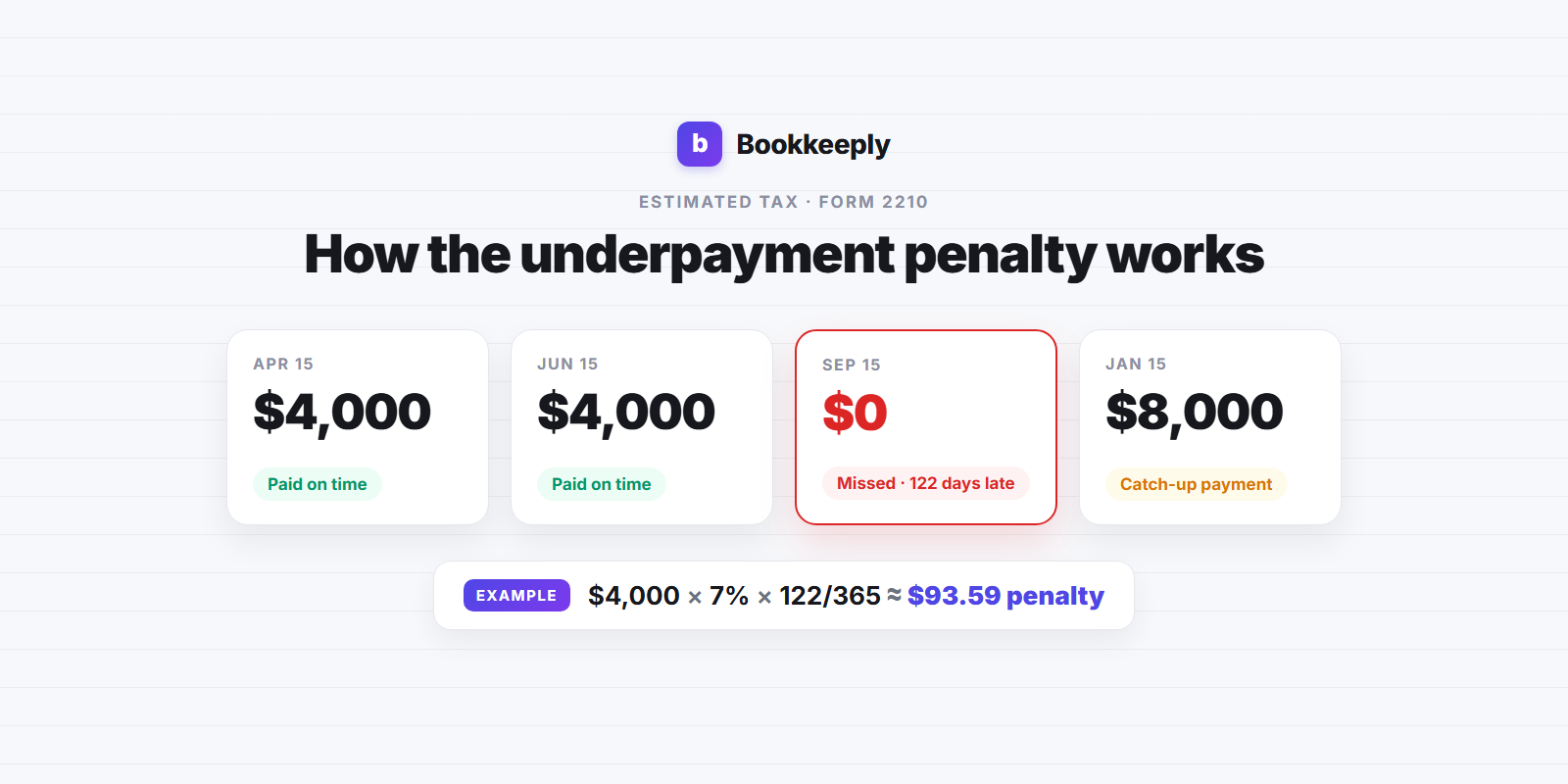
IRS Underpayment Penalty: How It Works (With Example)
How the IRS underpayment penalty is calculated on Form 2210, the current 7% rate, two worked examples, and the safe harbor rules that help you avoid it.
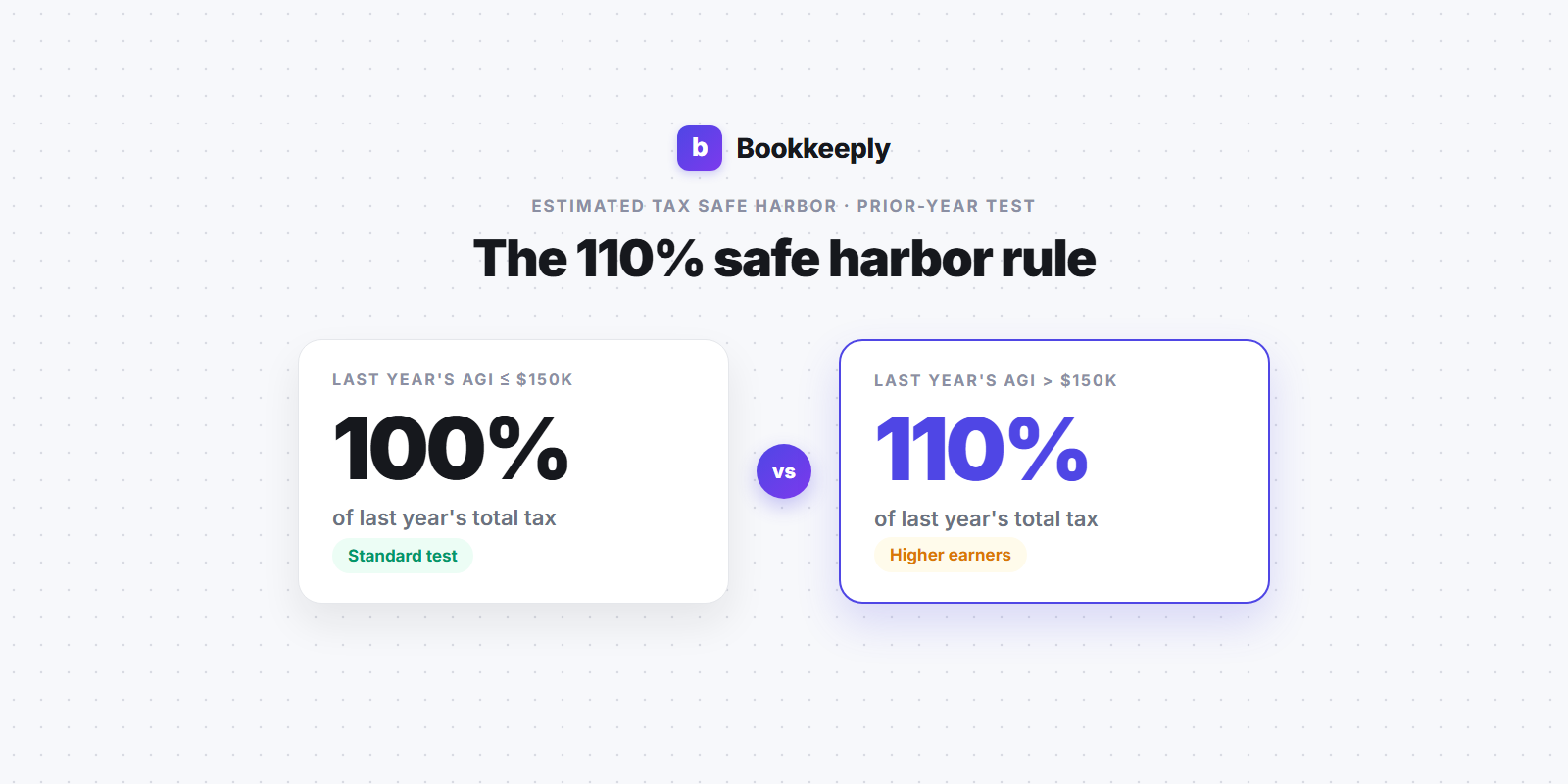
110% Safe Harbor Rule: Estimated Taxes for High Earners
The 110% safe harbor rule explained: when last year's AGI tops $150,000, how to size your quarterly estimated payments, with two worked examples.
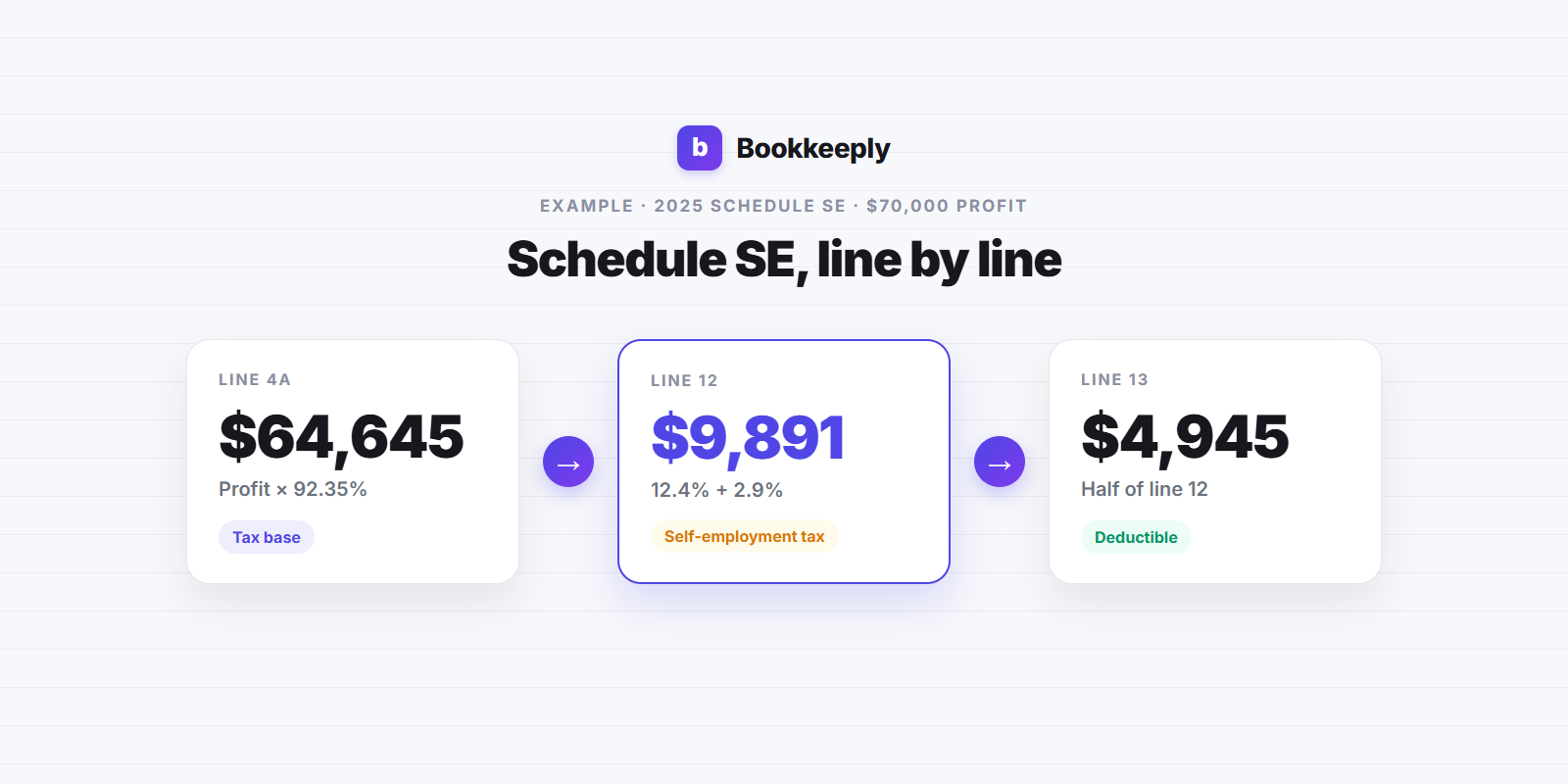
Schedule SE Explained: Line-by-Line Guide With Example
Schedule SE explained line by line: who files it, the 92.35% step, the 12.4% and 2.9% rates, where totals go on your 1040, plus two worked examples.
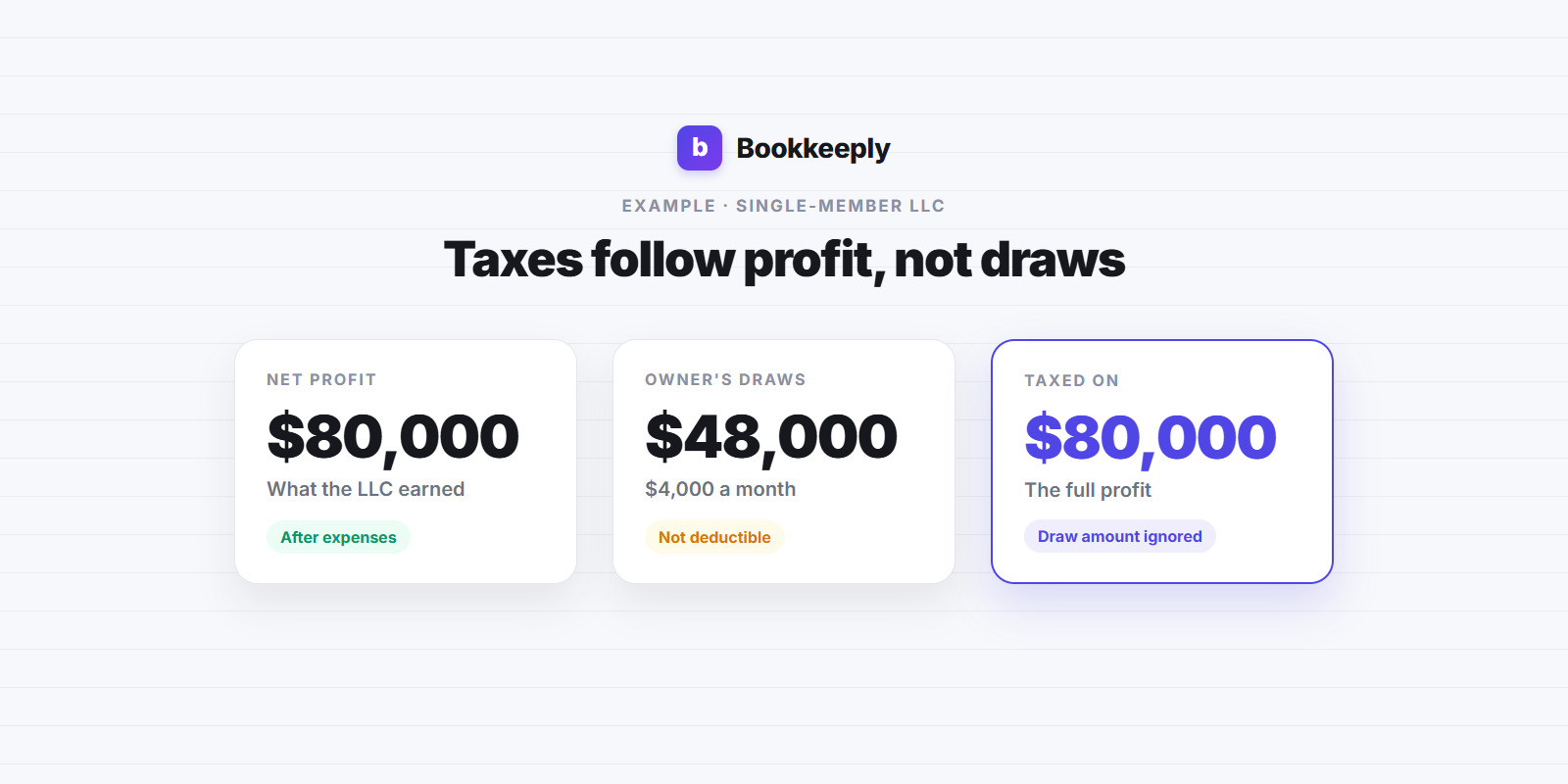
How to Pay Yourself From an LLC: Draw vs Salary
How to pay yourself from an LLC: owner's draws, guaranteed payments, or an S corp salary, why taxes follow profit not draws, plus a simple example.
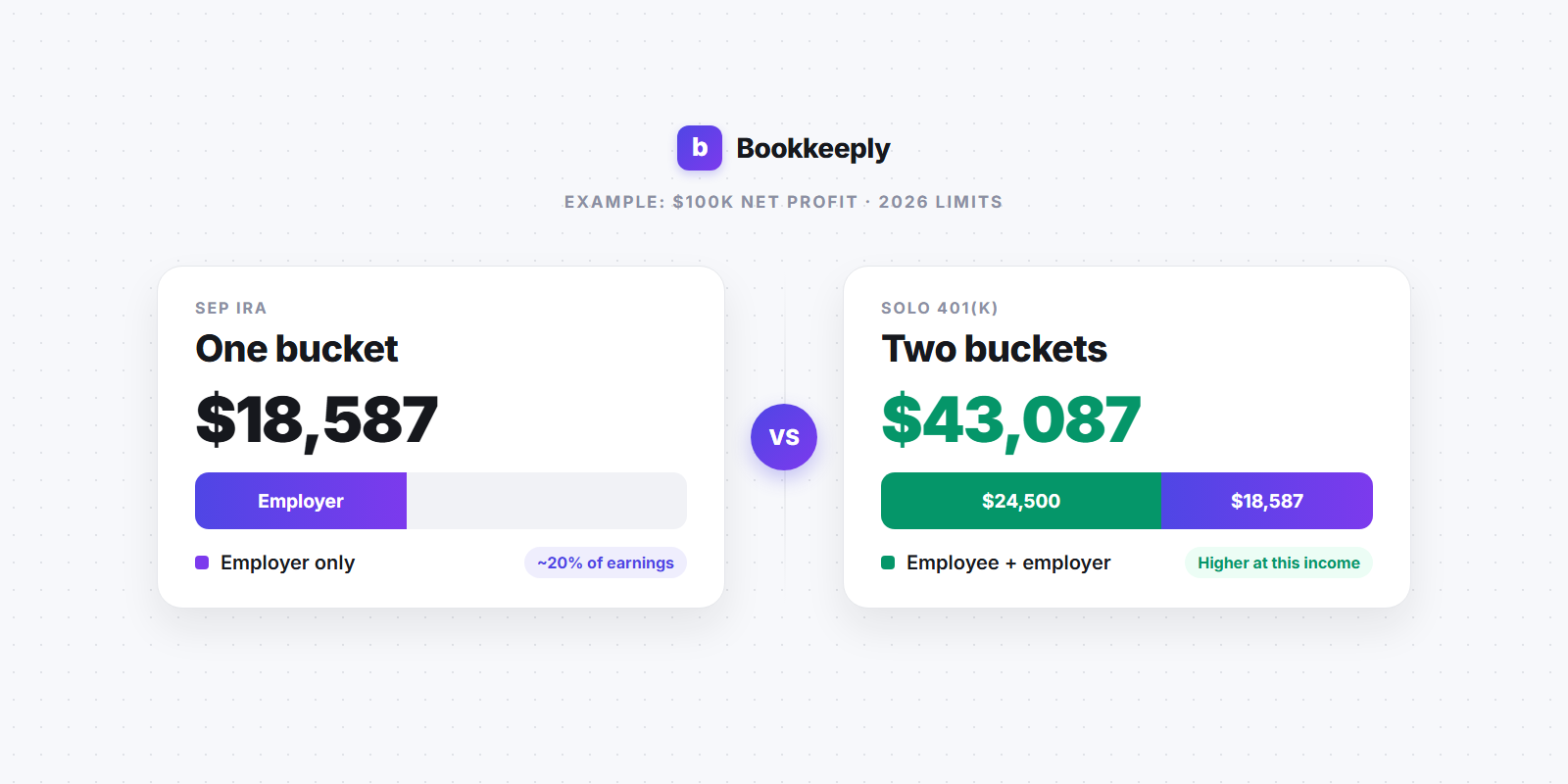
SEP IRA vs Solo 401(k): Which Is Better for Freelancers?
SEP IRA vs Solo 401(k) for freelancers: 2026 limits, deadlines, worked examples at $50k and $100k profit, and a simple way to pick the right plan.
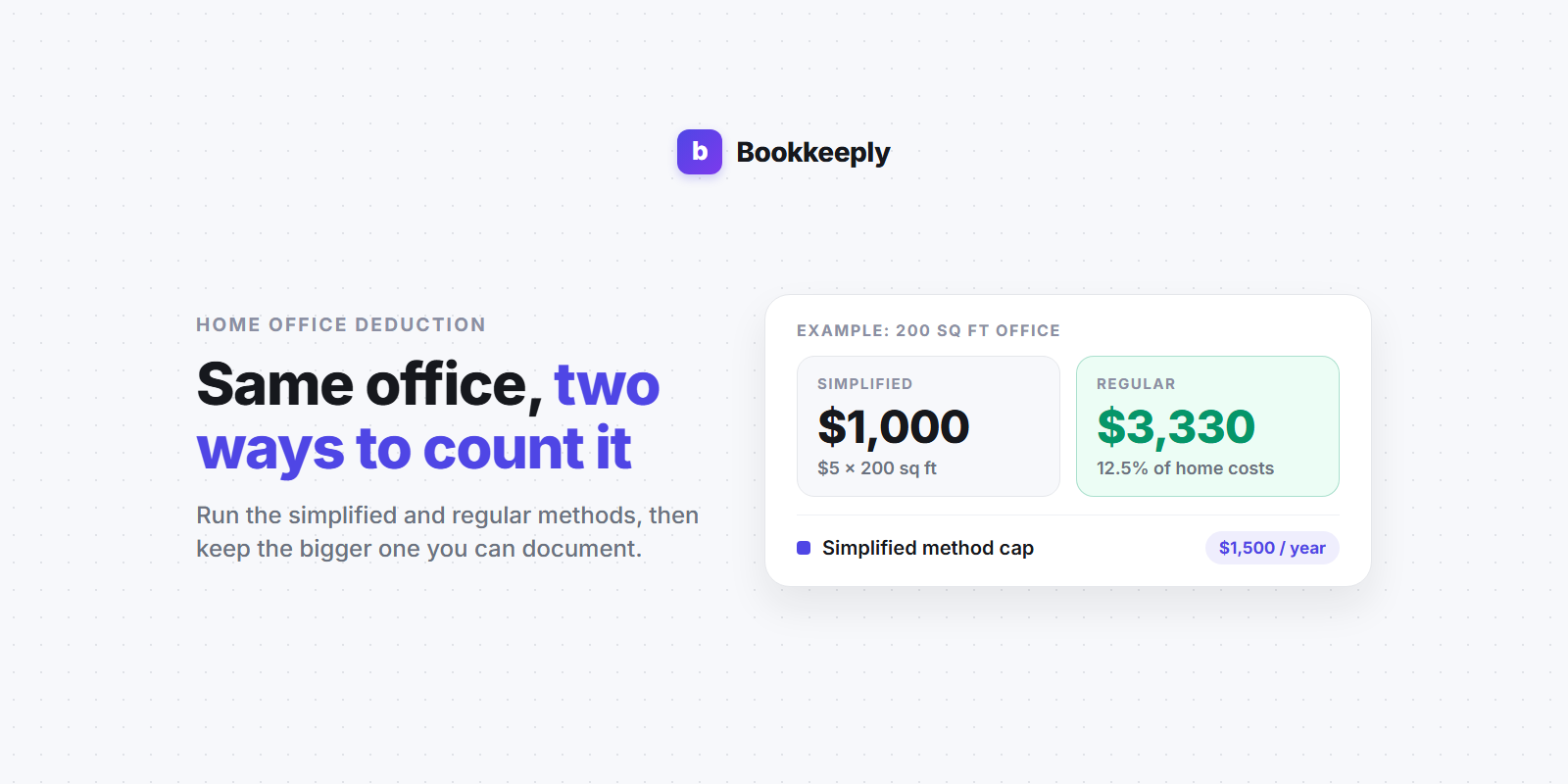
Home Office Deduction for Freelancers: Simple vs Regular
Home office deduction for freelancers: who qualifies, simplified vs regular method, a worked example with real math, and the records worth keeping.
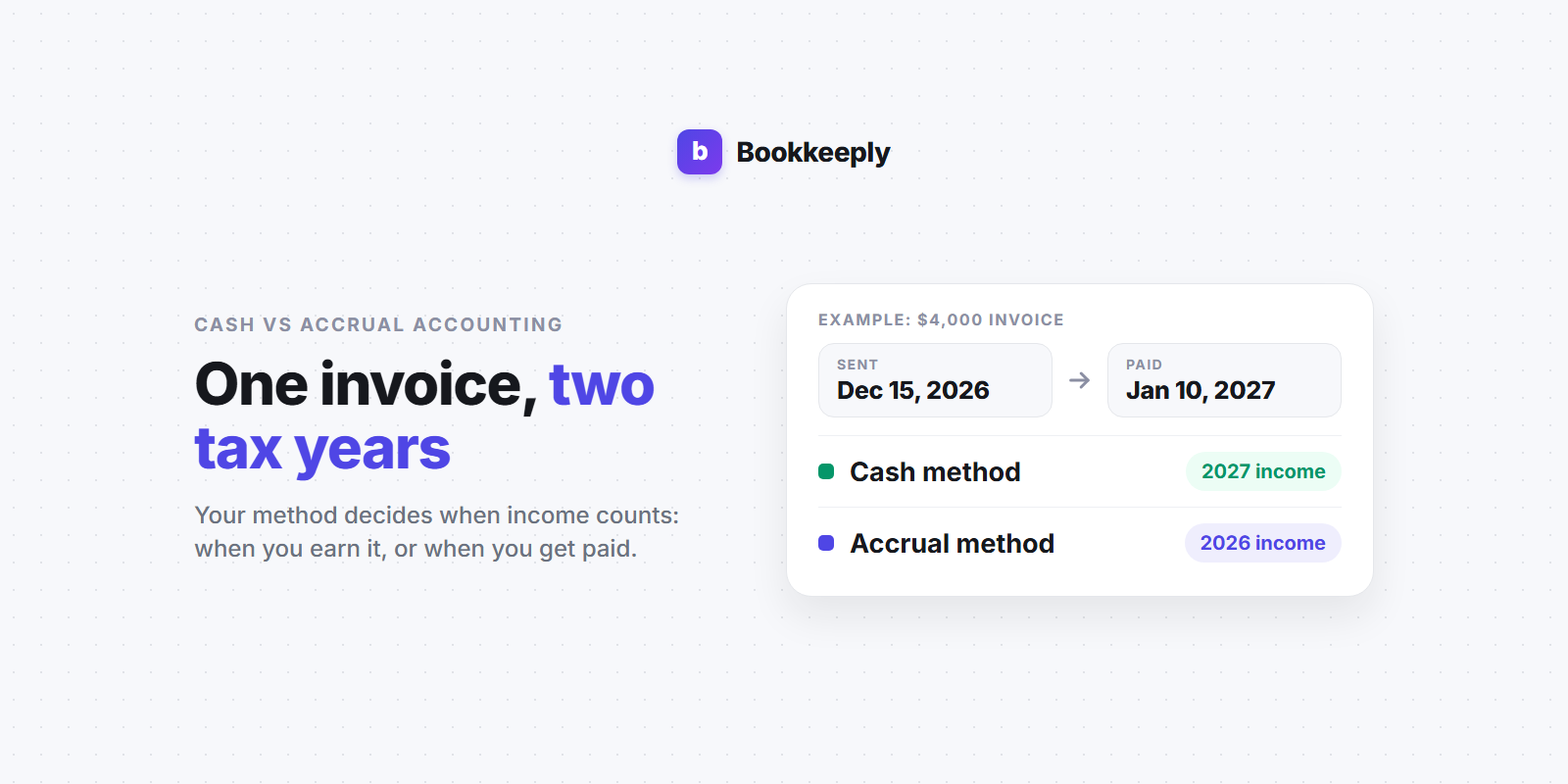
Cash vs Accrual Accounting for Freelancers
Cash vs accrual accounting explained for freelancers: when income and expenses count, a simple year-end example, and which method most freelancers use.
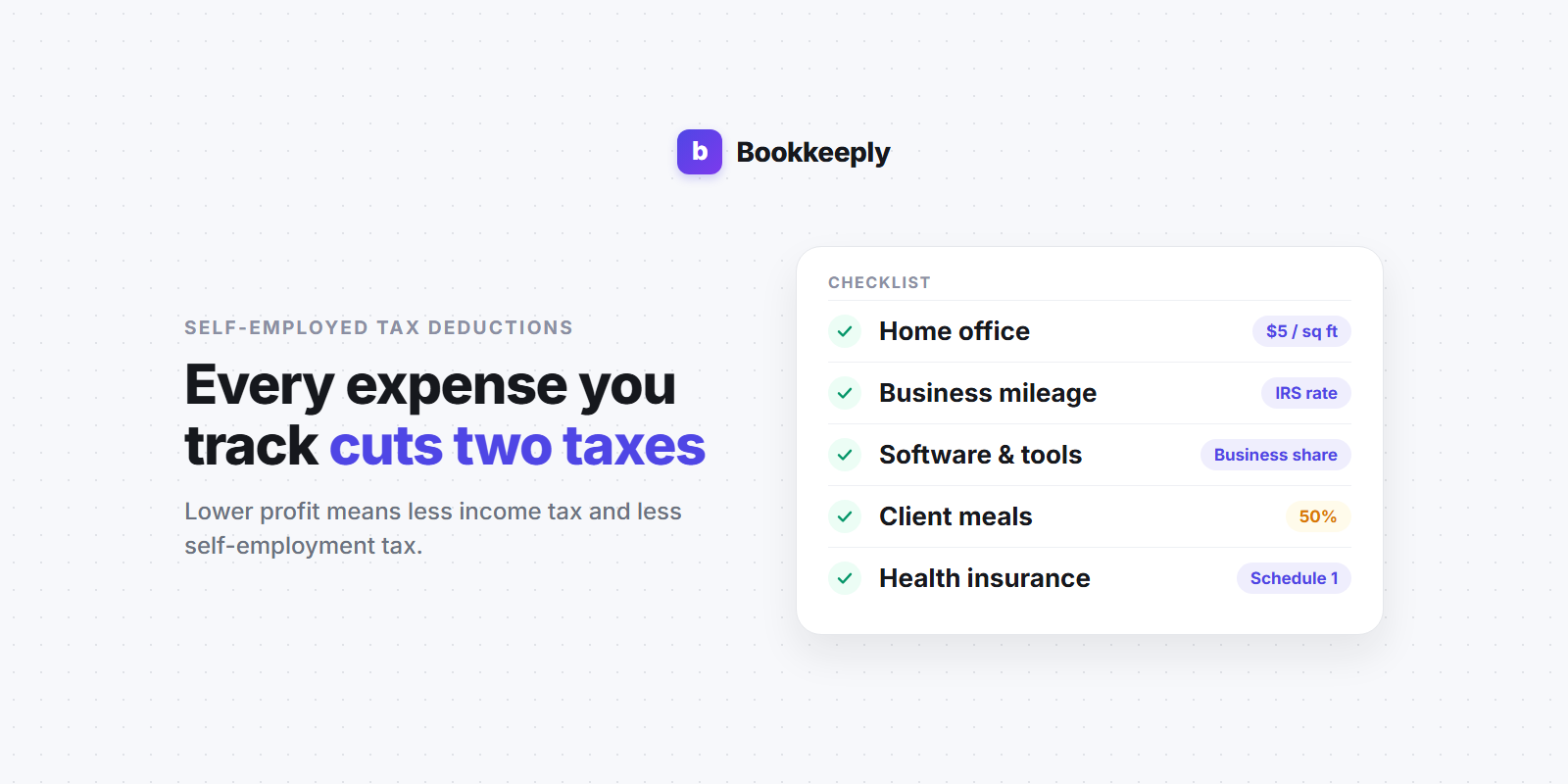
Self-Employed Tax Deductions: A Practical Checklist
A practical checklist of self-employed tax deductions: home office, mileage, software, meals, health insurance, what does not count, and records to keep.
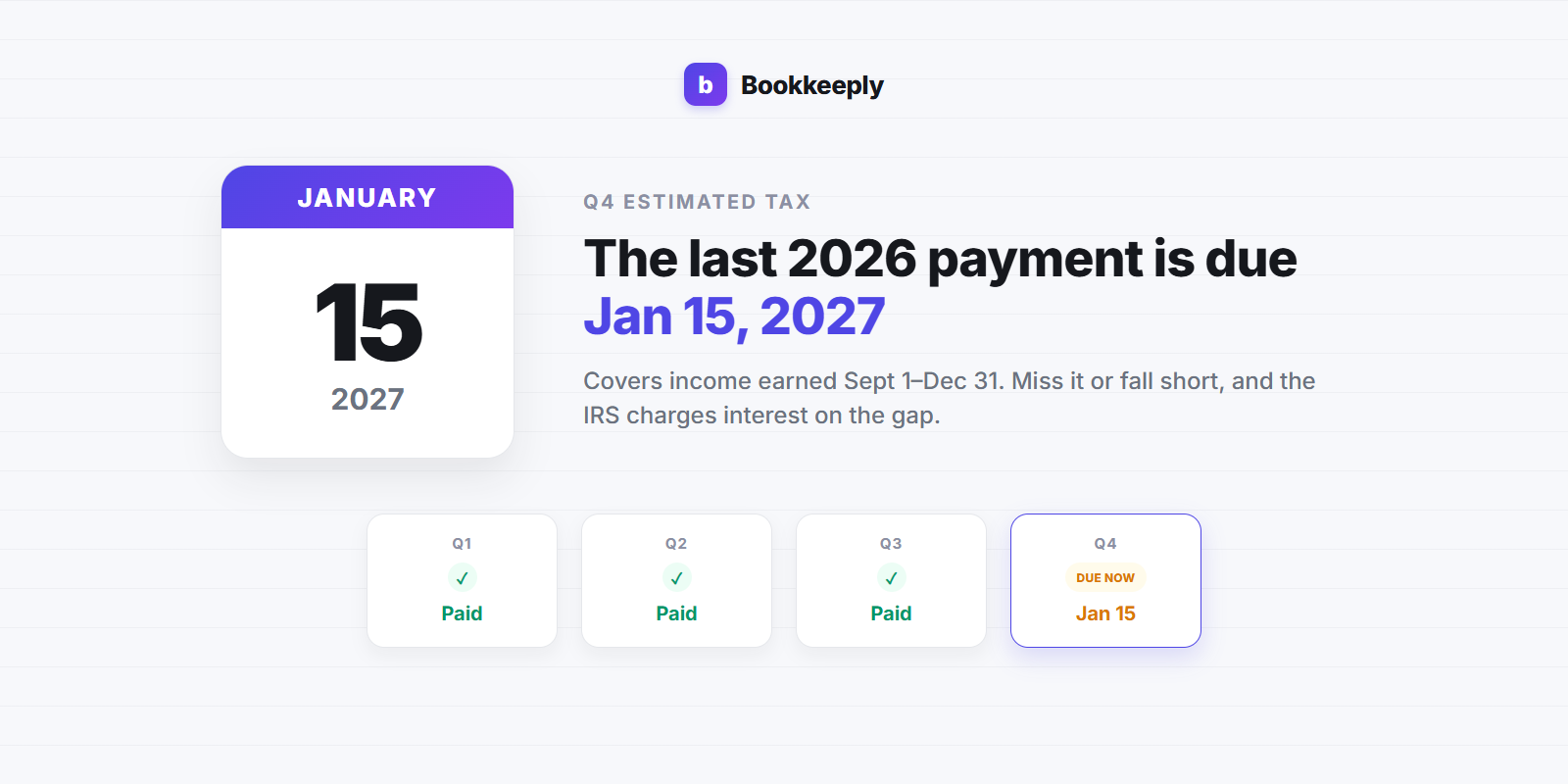
Q4 Estimated Tax Payment: Deadline and How to Calculate It
The Q4 2026 estimated tax deadline is January 15, 2027. Here's how to calculate what you owe, pay it, and avoid an IRS underpayment penalty.
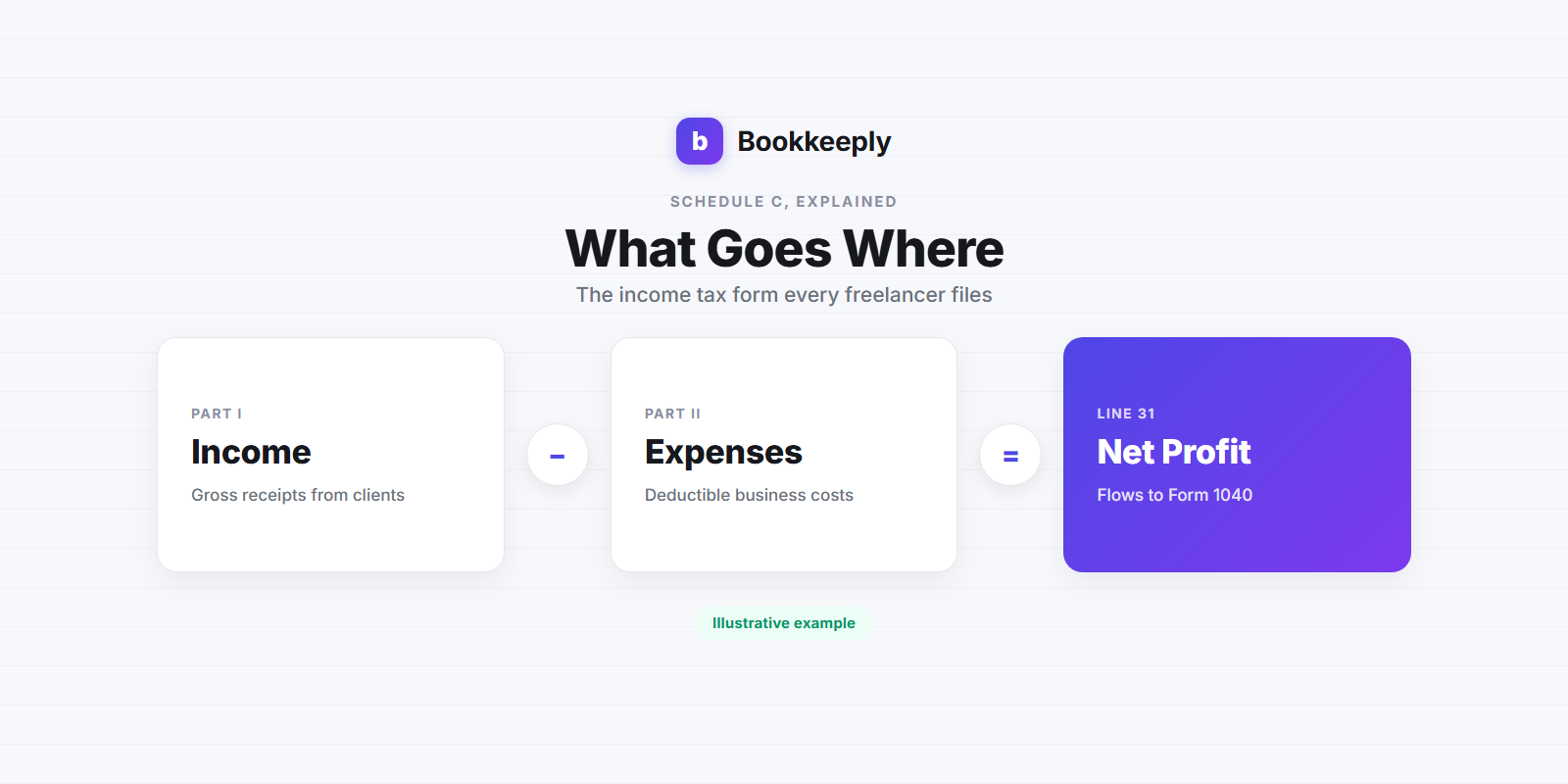
Schedule C for Freelancers: What Goes Where
Schedule C reports your freelance income and expenses to the IRS. See what goes in each part, plus a simple worked example for sole proprietors.
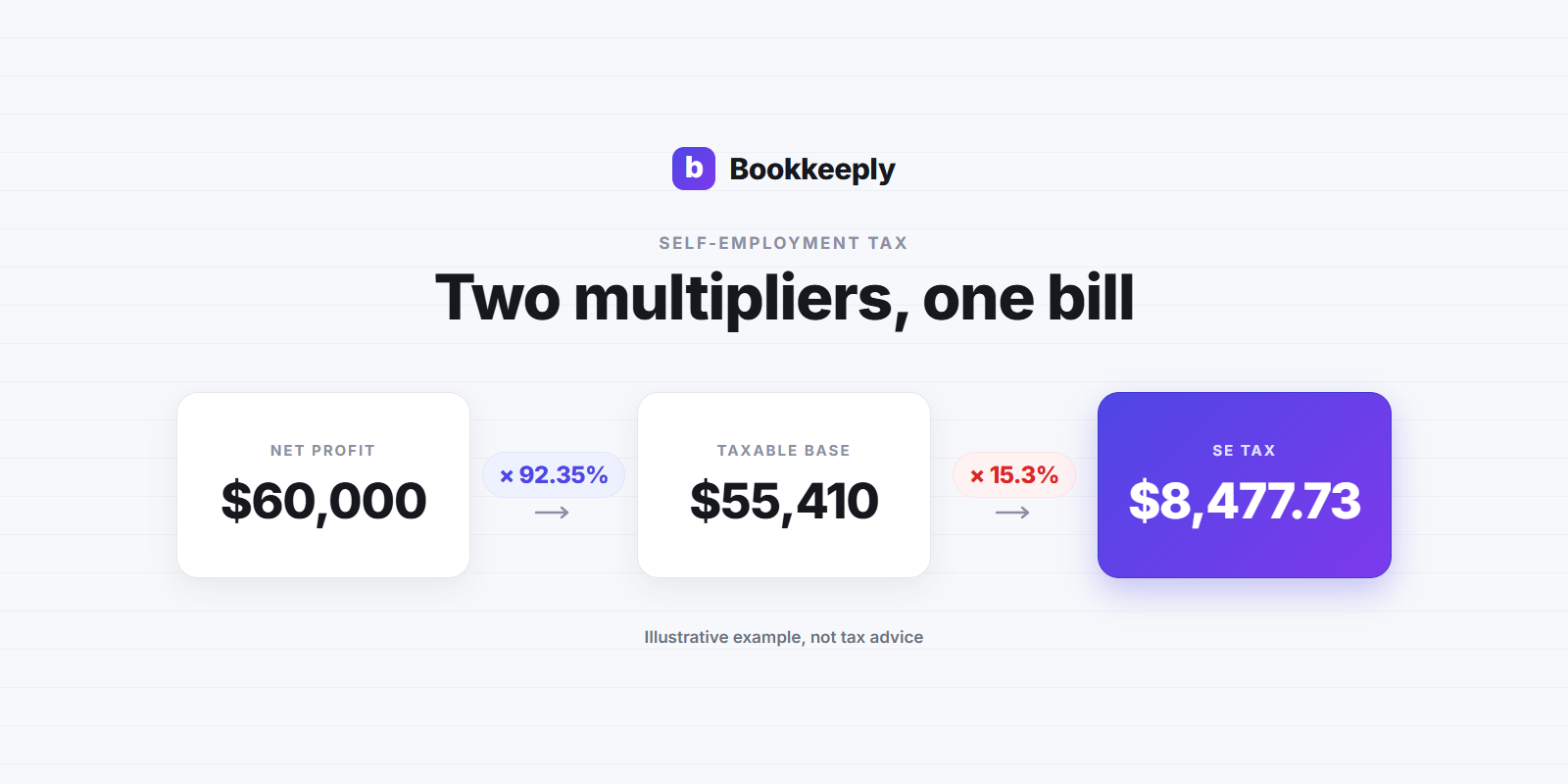
How to Calculate Self-Employment Tax (With Example)
Learn how to calculate self-employment tax step by step: the 15.3% rate, the 92.35% rule, the Social Security cap, and two simple worked examples.
1099 vs W-2: What Changes for Your Taxes
1099 vs W-2 compared: who pays payroll tax, what you can deduct, when taxes are due, and how to plan if you switch from employee to freelancer.
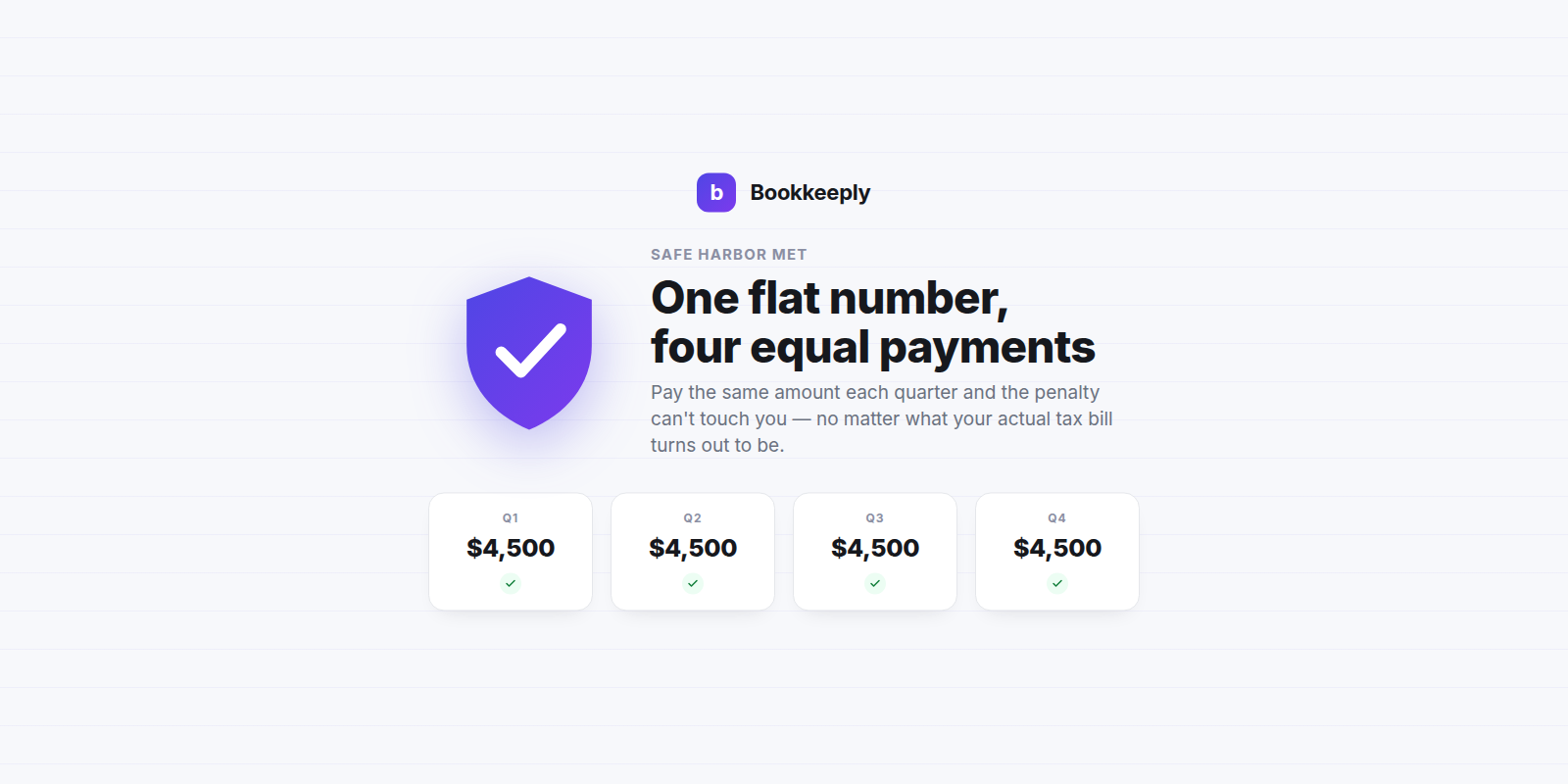
The IRS Safe Harbor Rule: How to Avoid a Penalty Without Overpaying Every Quarter
You don't have to guess your tax bill correctly four times a year. The IRS safe harbor rule sets an exact, calculable minimum that protects you from a penalty. Here's how it works.
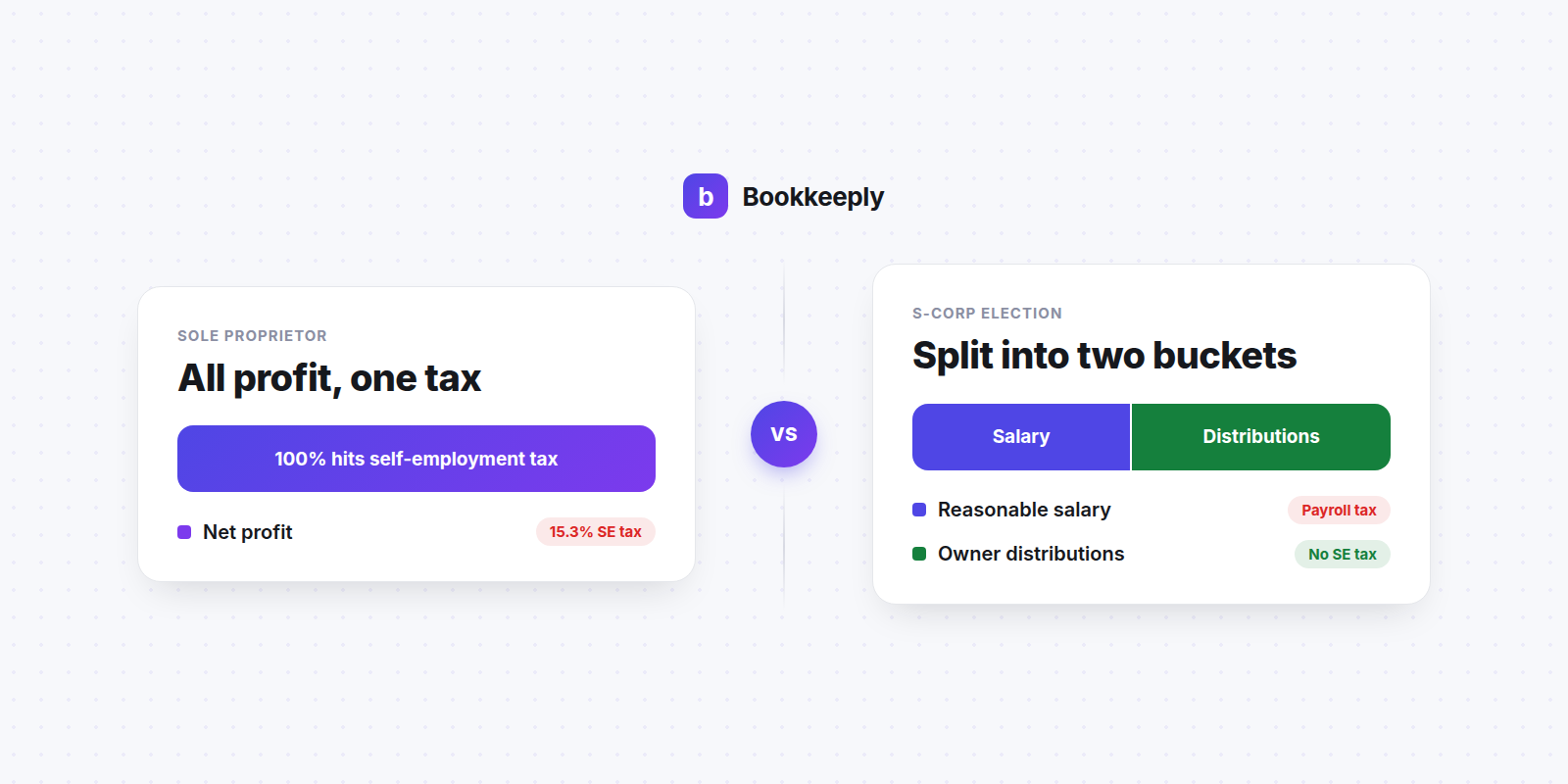
Sole Prop or S-Corp? How to Tell When the Switch Actually Saves You Money
The S-corp election can cut your self-employment tax bill, but only past a certain profit level. Here's the real math, the hidden costs, and where the break-even actually sits.
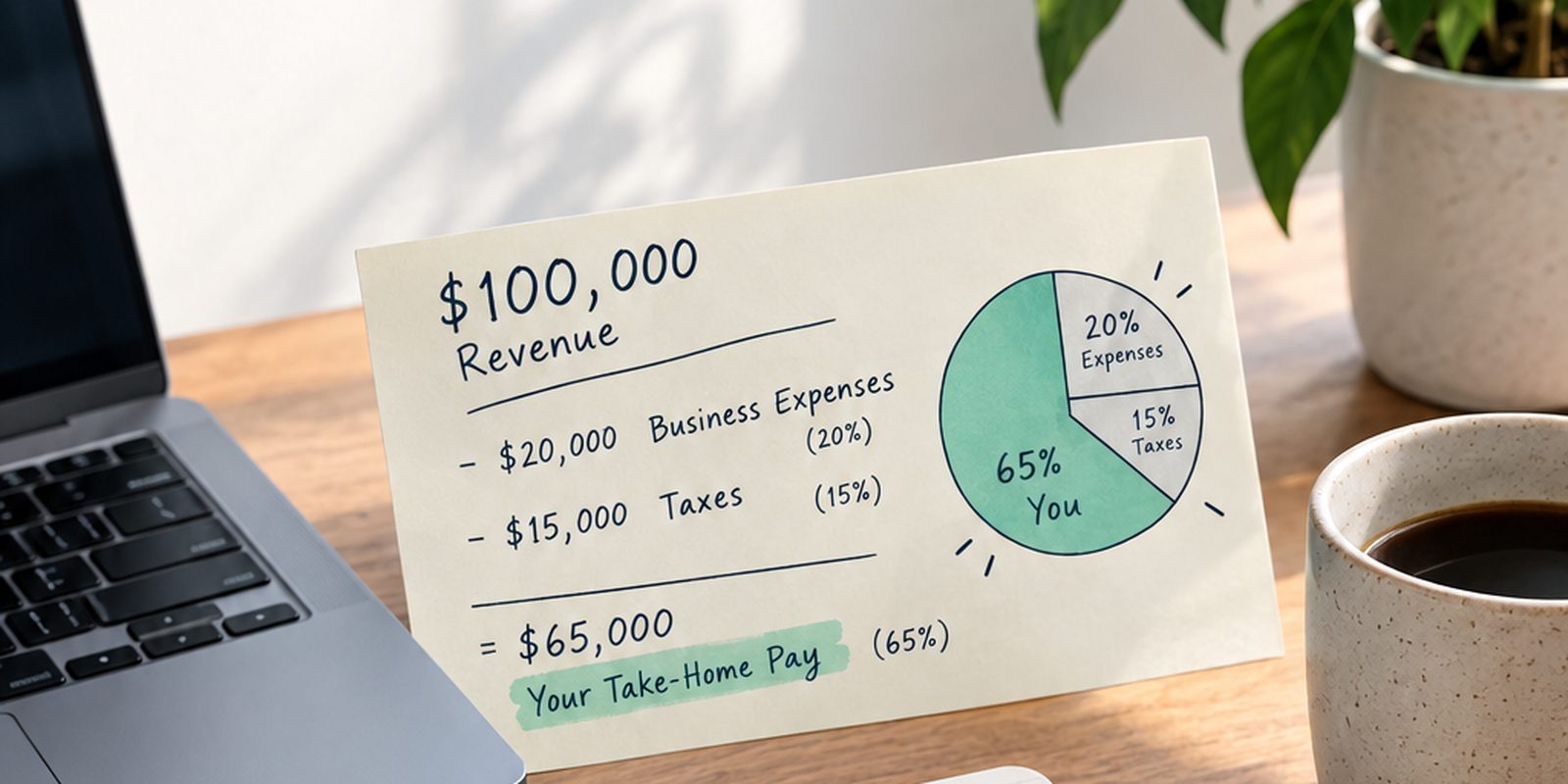
You Made $100,000. How Much of It Is Actually Yours?
If you're self-employed, your revenue has to cover business expenses, taxes, and potentially other obligations before you can figure out what you actually made.
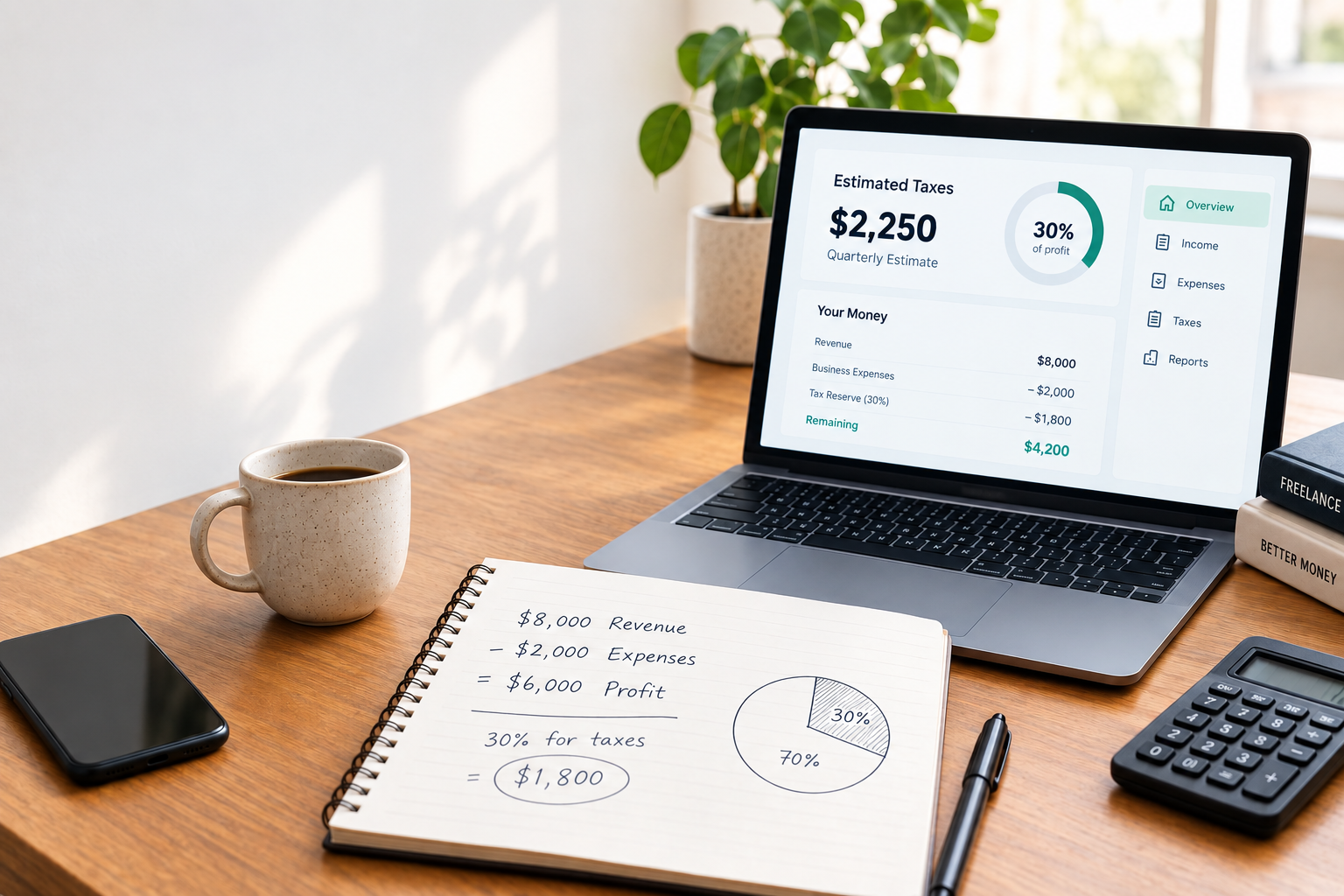
How Much Should a Freelancer Set Aside for Taxes?
When you're an employee, taxes are usually taken out of your paycheck before you receive it. As a freelancer, you're responsible for setting that money aside yourself.